Primark to Separate from Associated British Foods in Major FTSE 100 Demerger
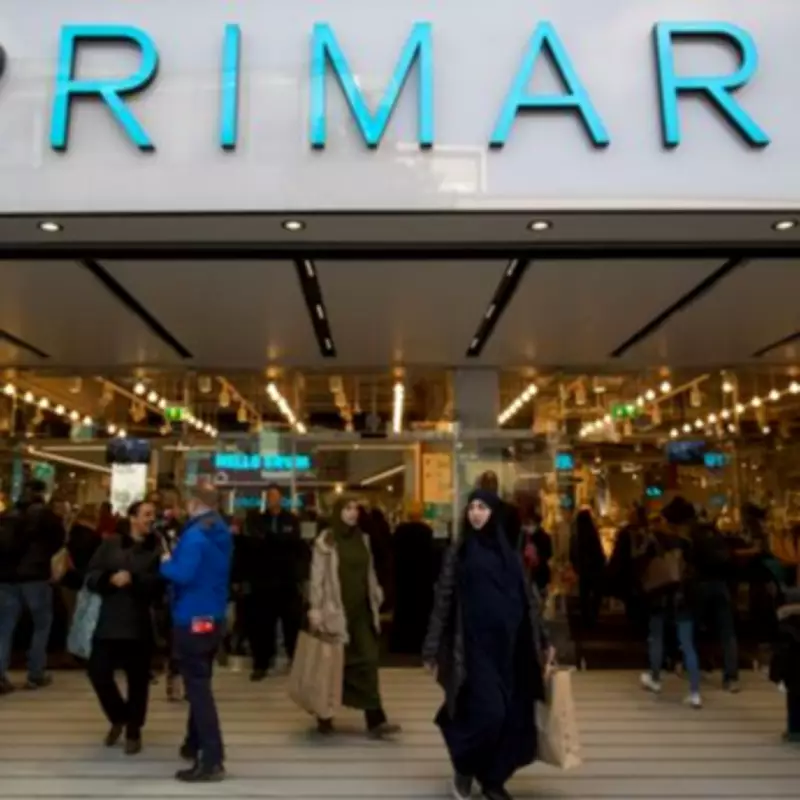
Associated British Foods (ABF), the FTSE-100 conglomerate, has confirmed plans to demerge its clothing retailer Primark, marking a significant strategic shift for the food and retail giant. The move, which ends months of speculation, will see both companies trade separately on the blue-chip FTSE 100 index, with the demerger expected to be finalised by 2027.
Strategic Review and Market Anticipation
The decision follows an internal strategic review, with ABF appointing Rothschild & Co last year to assess whether to divest Primark. The market had broadly anticipated this separation as ABF grapples with fierce competition from high street rivals like H&M and Zara. The Weston family-controlled group expressed confidence in the prospects of both entities post-demerger.
Financial Details and Corporate Structure
The separation will occur through a dividend demerger, allowing ABF to distribute Primark shares to existing shareholders at an estimated cost of £75 million. Primark, which operates 486 stores globally across 19 markets, generates approximately £9.5 billion in annual revenue and employs over 83,000 people. In the UK, it posted like-for-like sales growth of 1.3% recently, gaining market share.
ABF, controlled by the Weston family via Wittington Investments (which holds about 59% of the firm), will retain its other businesses, including Twinings, Kingsmill, and British Sugar. The remaining entity, dubbed FoodCo, operates in 52 countries with around £9.8 billion in annual revenue.
Leadership and Future Outlook
Michael McLintock will remain chair of ABF until the spin-off is complete. George Weston, current ABF chief executive, will lead FoodCo, while Eoin Tonge continues as Primark's chief executive. ABF reported a 9% decline in pre-tax profit to £632 million for the year to February, with revenue down 2% to £9.5 billion.
The company noted that Primark is expected to absorb costs from geopolitical issues like the Iran war but remains alert to potential consumer spending deterioration. ABF also highlighted uncertainties from energy and fertiliser supply chain disruptions due to conflicts.
Recent Challenges and Historical Context
ABF's share price fell to 1,894p on Monday, down over 10% year-to-date. In August, ABF announced a £75 million acquisition of Hovis, Kingsmill's competitor, but this has been delayed by competition regulators over price concerns. The Weston family, via Wittington Investments, also owns Fortnum & Mason and Heal's.
Founded in 1935 as Food Investments Limited by W. Garfield Weston, ABF listed on the London Stock Exchange in 1994. The demerger represents a pivotal moment in its history, aiming to sharpen focus amid evolving retail and food sectors.