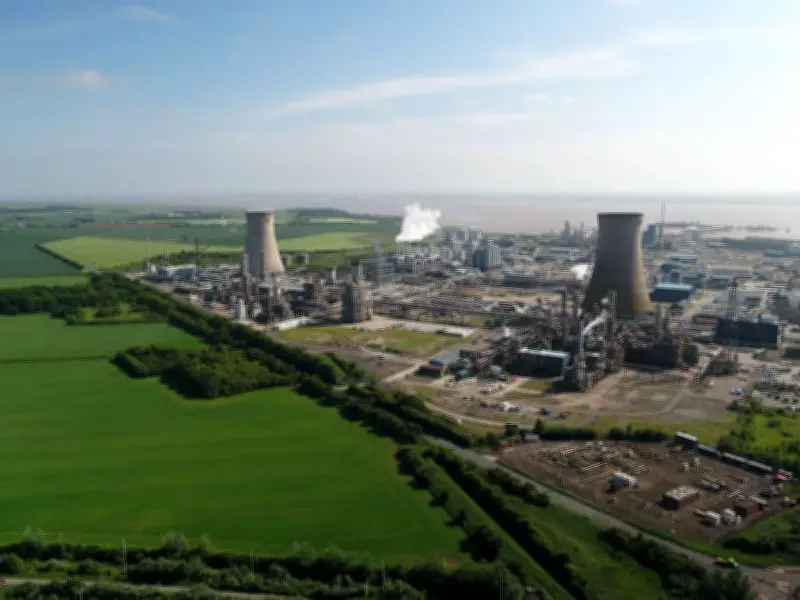
Up to 1,200 new jobs could be generated as part of a £1.2bn infrastructure proposal to deliver hydrogen energy to two major industrial hubs. Plans are being drawn up that could see a pair of underground pipelines linking hydrogen production with heavy industry and power generation across the Humber and Teesside areas.
Economic impact and job creation
An economic evaluation estimates the combined project could generate approximately £1.2bn in value, while also creating around 1,200 jobs across the two regional economies. The initiative – known as the East Coast Hydrogen for Northern Gas Networks project – is being spearheaded by Northern Gas Networks (NGN), the gas distributor serving the North East, northern Cumbria and Yorkshire.
The 68-mile corridor in the Humber will stretch from Saltend towards Ferrybridge, West Yorkshire, while the 39-mile Teesside pipeline is planned to run through the industrial cluster from Newton Aycliffe to Skinningrove. Business chiefs assert that the East Coast Hydrogen for Northern Gas Networks project will prove instrumental in safeguarding and growing employment across the two industrial clusters, while simultaneously supporting investment and the decarbonisation of heavy industry.
Hydrogen as a low-carbon alternative
By linking the gas network to proposed hydrogen production and storage facilities through new and repurposed pipelines, NGN says it can deliver the low carbon gas to steel, chemicals, brick and glass manufacturers across Teesside and the Humber. Numerous industries depend on vast quantities of natural gas for high-temperature processes, rendering decarbonisation through electrification impractical. Hydrogen, however – which generates no carbon emissions when combusted – can offer a viable low carbon alternative to natural gas, reports Hull Live.
Project development and community engagement
NGN's plans will be designated as Nationally Significant Infrastructure Projects (NSIPs) and are currently in the initial first phase of the development process, which is concentrated on a design, planning and costing study. Over the coming months, NGN says local communities will have the opportunity to provide feedback on the proposals. Early responses will then inform a more detailed design for the project, which will incorporate information on potential environmental and community impacts. Should they receive the green light, construction and connection would commence in the 2030s.
Quotes from key figures
Keith Owen, NGN head of energy Futures said: "Businesses in our industrial clusters use huge amounts of gas for high temperatures – some enough to heat the equivalent of 10,000 homes – meaning switching to an electric alternative would be extremely challenging. Hydrogen can provide the same heat as natural gas without the emissions, making it a realistic solution for industry to decarbonise while supporting growth and jobs in our industrial heartlands. We're proud to be supporting those businesses across Teesside and Humber through our proposal and will be listening closely to local place-makers and communities over the coming months to make sure their views help to shape our plans."
Luke Campbell, mayor of Hull and East Yorkshire said: "The Humber is already an energy powerhouse, and these proposals could strengthen Hull and East Yorkshire's role in supporting the UK's energy security. We will continue to work with industry, government and partners across the Humber to ensure that investment in new energy infrastructure delivers good jobs and lasting benefits for local people and businesses."
Tees Valley mayor Ben Houchen added: "The future of hydrogen is happening in Teesside, and this proposal is another step towards making sure our region remains the best place in the country to invest in the next generation of industry. Connecting hydrogen production with our major industrial sites will help us safeguard jobs and investment while giving local businesses the energy they need to grow for decades to come."