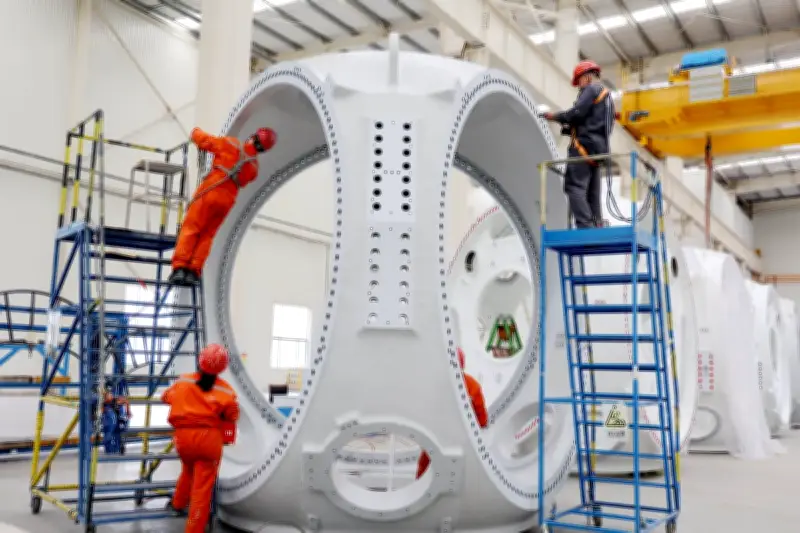
Binzhou, a city in Shandong province, China, is making significant strides in its industrial transformation, moving from traditional manufacturing to intelligent manufacturing. This shift is part of a broader strategy to upgrade the city's economy and enhance its competitiveness in the global market.
Embracing Innovation and Technology
The city has been focusing on integrating advanced technologies such as artificial intelligence, big data, and the Internet of Things into its manufacturing processes. According to local officials, this move is expected to increase production efficiency by up to 30% and reduce costs significantly. The transformation is being driven by both government initiatives and private sector investments.
Key Industries Leading the Change
Binzhou's traditional industries, including textiles, chemicals, and food processing, are at the forefront of this change. For example, a major textile company in the city has implemented smart production lines that use AI to monitor quality and optimize output. This has resulted in a 20% increase in productivity and a 15% reduction in waste.
Government Support and Policies
The local government has introduced several policies to support this transition, including tax incentives, subsidies for research and development, and partnerships with universities. "We are committed to creating an ecosystem that fosters innovation and helps our industries become more competitive globally," said a spokesperson for the Binzhou municipal government.
Impact on Employment and Skills
While the shift to intelligent manufacturing is expected to create new jobs in tech and engineering, it also requires a workforce with new skills. The city has launched training programs to help workers adapt, with over 5,000 people already enrolled in courses related to automation and data analysis. This is part of a broader effort to ensure that the local population benefits from the industrial upgrade.
Future Outlook
Binzhou aims to become a model for intelligent manufacturing in China, with plans to establish several smart industrial parks by 2025. The city's transformation is seen as a key part of China's broader strategy to move up the value chain and reduce reliance on low-cost manufacturing. If successful, Binzhou could serve as a blueprint for other industrial cities in the country.