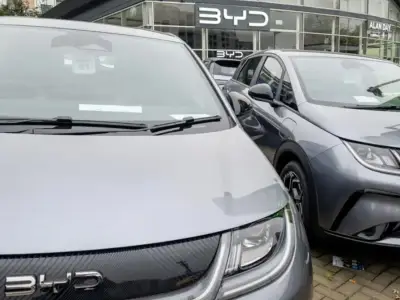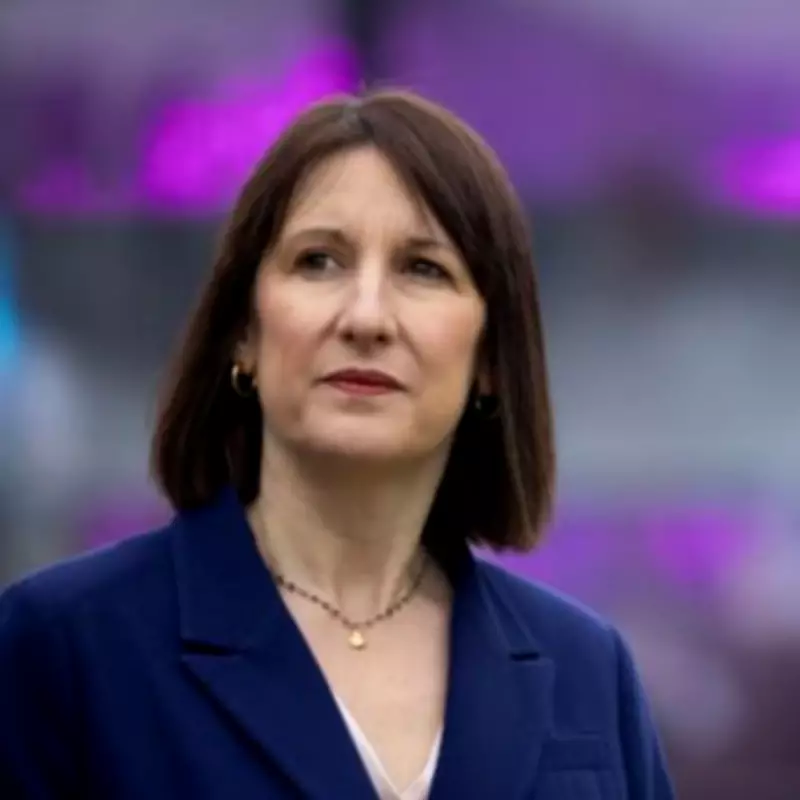
Rachel Reeves has confirmed a £20 a month charge for motorists doing "average" mileage under a new pay-per-mile car tax system. Electric cars will be charged 3p per mile, while hybrid owners are expected to pay 1.5p per mile.
Government aims to raise funds for road maintenance
The Labour Party government's pay-per-mile system, known as Electric Vehicle Excise Duty (eVED), is designed to generate revenue for road maintenance. Budget documents indicate that the average driver will face an annual cost of approximately £240, equating to £20 per month.
Criticism from industry experts
Toby Poston, chief executive of the BVRLA, expressed concern that the flat rate disproportionately affects drivers in rural areas. "A flat pay-per-mile charge might look fair on paper, but its burden falls hardest on the drivers least able to avoid it. People who live in less connected areas don't drive more because they want to: they drive more because they have no choice," he said. He added that rural towns lack the transport alternatives available in cities, such as trains, tubes, and cycle lanes.
Experts have previously proposed offering rural drivers a certain number of "free miles" to mitigate the impact. Poston described the government's pay-per-mile plans as "not a fair system."
Rural drivers face higher costs
Tanya Sinclair, CEO of Electric Vehicles UK, highlighted the disparity: "The geography of this data is damning. Rural drivers, fewer chargers, longer journeys, highest bills. That is the opposite of a fair transition." She also noted that the government has quietly confirmed it will not raise fuel duty, making petrol cheaper in real terms while penalizing EV drivers.
Ginny Buckley, chief executive of Electrifying.com, called the charge "yet another tax on everyday life" for motorists struggling with the cost of living crisis. "If you live in a rural area, driving isn't a lifestyle choice, it's a necessity, so there's a real danger this creates an EV postcode penalty where the people with the fewest transport alternatives end up paying the most," she said.