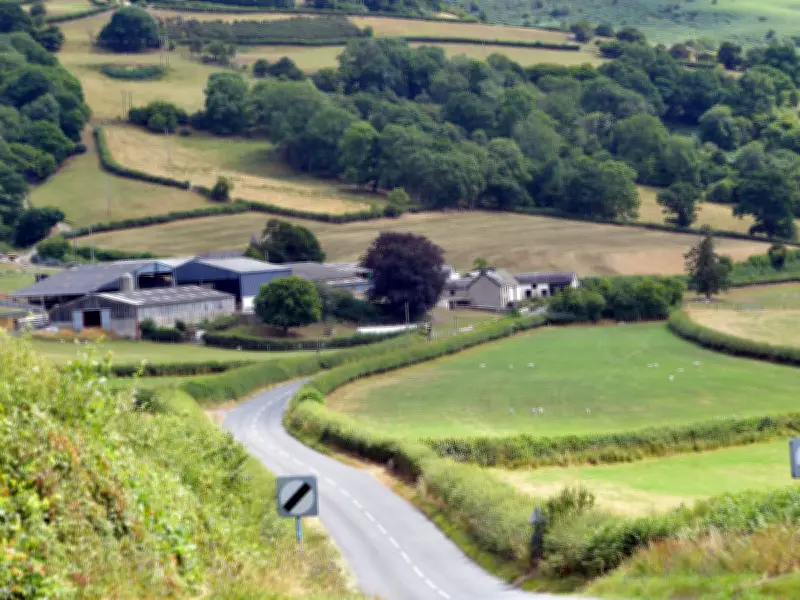
The chief executive of the Development Bank of Wales, Giles Thorley, has emphasised that the rural economy is not a niche part of Wales but is fundamental and foundational to the country's economic future. Writing for BusinessLive, Thorley highlighted the resilience and innovation of rural businesses while calling for better access to finance that reflects their operational realities.
Challenges and Opportunities in Rural Wales
Thorley acknowledged the real pressures facing rural Wales, including changing populations, income pressures, access to services, and connectivity issues. However, he stressed that rural communities are home to some of the most resilient, innovative, and entrepreneurial businesses in Wales. These businesses are already innovating, adapting, and investing for the future, but often lack access to the right finance.
Innovation in Rural Wales
Innovation in rural Wales may look different from urban centres—more gradual, grounded, and tied to place. Examples include family farms diversifying into tourism, food producers expanding into new markets, and businesses investing in renewable energy or sustainable production. Thorley cited YnNi Teg in Ceredigion, a community-owned renewable energy business, and Bargoed Farm in Aberaeron, which combines farming with tourism. Cerrig Granite and Slate demonstrate how traditional industries can reduce carbon emissions and modernise.
Need for Tailored Finance
Rural businesses often operate on different timescales, with seasonal returns, longer investment cycles, tighter margins, and constrained access to traditional finance. Thorley welcomed the forthcoming Sustainable Agriculture Loan Scheme (SALS), developed with the Welsh Government and delivered through the Development Bank of Wales. The scheme supports small and medium-sized farms unable to secure private funding for energy efficiency, waste management, and productivity improvements.
Key Features of SALS
- Loans between £25,000 and £1 million
- Repayment periods up to 15 years
- Initial repayment holiday to allow time for investment benefits to materialise
- Seasonal repayment structures aligned with agricultural cashflow
Public Finance Role
Thorley emphasised that repayable finance can complement traditional grants, enabling long-term investment and recycling capital for future generations. This approach aligns with wider aspirations for Wales, including supporting Welsh ownership, strengthening local supply chains, and retaining wealth. Rural Wales plays a central role in national priorities such as food production, biodiversity, energy transition, land management, and rural employment.
Supporting Sustainable Farming
Supporting sustainable farming practices contributes to the Well-being of Future Generations (Wales) Act, promoting a more resilient, sustainable, and prosperous Wales. Thorley noted that while finance alone cannot solve all issues—infrastructure, housing, skills, and connectivity remain important—access to patient, flexible, and locally grounded finance can catalyse innovation and investment.
Rural Wales Reinventing Itself
Thorley concluded that rural Wales is not standing still economically; in many areas, it is quietly reinventing itself, balancing tradition with innovation and long-term stewardship with commercial reality.