Major UK Business Collapses Result in Over 550 Job Losses
This week has seen a significant blow to the UK business landscape, with two prominent companies entering administration and leading to the loss of more than 550 jobs. The closures have severely impacted high streets and communities across the nation, highlighting ongoing economic challenges.
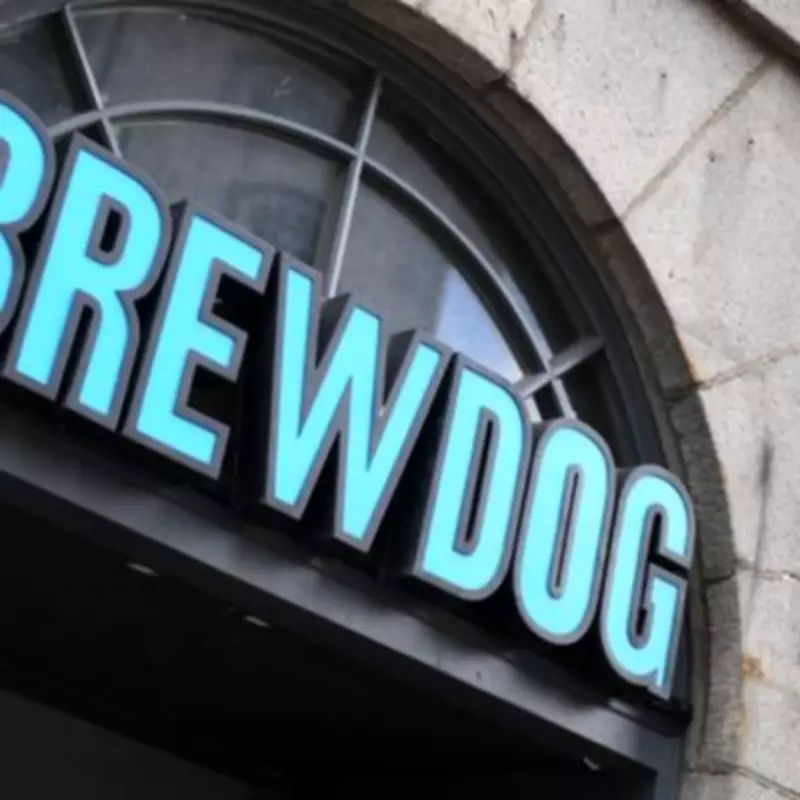
BrewDog Bar Chain Shuts 38 Venues
The most substantial loss comes from the well-known brewery and bar chain BrewDog, which has closed 38 of its bars, resulting in 484 redundancies. Despite being acquired in a rescue deal by American company Tilray Brands for £33 million, these closures have proceeded. BrewDog entered administration on Monday, leaving crowdfunding investors with no returns.
Tilray Brands has acquired key assets, including the global brand, intellectual property, UK brewing operations, and 11 pub venues in the UK and Ireland. Among the sites closing are nine London bars, nine in Scotland, and the DogHouse hotel in Manchester. However, Tilray will take control of BrewDog's brewery in Ellon, Aberdeenshire, and The Hop Hub distribution centre in Motherwell, preserving 733 jobs as staff transition to the new owner.

Pagazzi Lighting Closes 11 Stores
In a separate administration, family-run firm Pagazzi Lighting has shut down 11 retail outlets, leading to approximately 70 job losses. Established over 45 years ago and based in Thornliebank near Glasgow, the company specialised in decorative lighting, mirrors, and home accessories. Poor trading performance and rising costs forced the appointment of administrators.
Despite the administration, the Pagazzi brand will continue in a reduced capacity, as the online retail division has purchased the business and assets. The company had operated stores across Scotland and northern England, alongside its online shop, but now faces a scaled-back future.
These collapses underscore the difficult period for many UK businesses, with hundreds of employees affected by the sudden closures. The administrations reflect broader economic pressures, including high costs and shifting consumer habits, that are challenging firms across various sectors.