Birmingham Bin Workers Forced into Second Jobs as Year-Long Strike Continues
Striking refuse collectors in Birmingham have been compelled to take on second jobs to make ends meet, as the city's bin strike marks its one-year anniversary with no resolution in sight. The ongoing dispute between Birmingham City Council and the Unite union has left many workers struggling financially and emotionally, with families across the city feeling the impact.
Emotional and Financial Strain on Workers
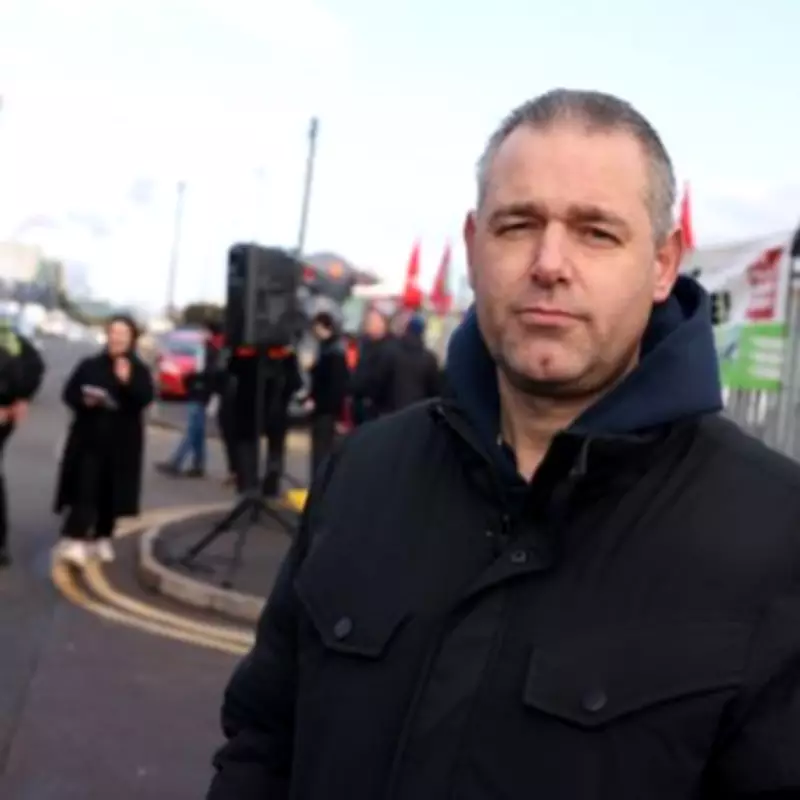
Speaking at a rally outside the Tyseley bin depot on Kings Road, bin workers described the profound challenges they have faced over the past twelve months. Adrian Hyde, a Grade Two binman with 24 years of service, highlighted the personal toll of the strike. "You go home from a picket line with nothing to do, and you can get quite down," he said. "But the support from each other, friends, family, and the public keeps you strong."
Hyde had already taken a part-time job before the strikes began to manage debt, but he now expects to keep it indefinitely due to lost wages from the council. "I'm going to have to keep that second job because of the money I'm losing," he explained. "This means I won't see my wife or kids as much, which isn't right. We shouldn't have a quarter of our wage taken off us."

Workers' Resilience and Community Ties
Despite the hardships, many strikers remain committed to their cause. Steeven Biset, known as 'Frenchie' to colleagues, also took on part-time work to cover bills. "Personally, it's been up and down," he said. "Morale is down a bit, but we're hanging in there, trying to get negotiators back to the table." Biset emphasized that most bin workers are Birmingham residents themselves, eager to return to work. "If it was up to us, we would've been back many months ago," he added.
George Wilson, a former Grade Four team leader made redundant in October for refusing an £8,000 pay cut, shared his struggles. "It's been tough surviving on strike pay," he said. "Some are single parents struggling with rent and bills. This isn't the bin workers' fault—it's the council's failings." Wilson plans to retire early and move out of Birmingham, a decision accelerated by the dispute.
Union and Council Responses
Onay Kasab, Unite's national lead officer, criticized the council for prolonging the strike. "We shouldn't be here a year on," he stated. "The council has spent over £33 million of taxpayers' money to break the strike, while a deal could have been reached for a fraction of that cost. Residents deserve an apology." Kasab warned that the Labour-run council may face electoral consequences in May.
Councillor Majid Mahmood, the council's cabinet member for environment, acknowledged the strike's duration. "I'm sorry for the disruption," he said. "It has gone on for too long. We've made offers to Unite, but they've been rejected. My message is simple: come back to work and be part of this improved service."
Broader Implications and Future Outlook
The strike has not only affected workers but also Birmingham families, with disrupted waste collection services adding to community frustrations. As the deadlock continues, bin workers remain resilient, relying on solidarity and part-time employment to weather the storm. The dispute underscores deeper issues within local governance and labor relations, with both sides urging patience from residents while seeking a resolution.
With the strike entering its second year, the focus remains on negotiations and the hope for a fair settlement that addresses workers' concerns without further financial hardship.