Former Chancellor Warns Energy Bill Pledge May Ring Hollow Amid Iran Conflict
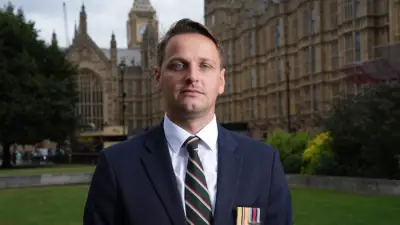
Former Conservative Chancellor Sir Jeremy Hunt has issued a stark warning that Chancellor Rachel Reeves' pledge to reduce household energy bills could "ring hollow" for many British families due to escalating tensions in the Middle East.
Impact of Middle East Conflict on Energy Costs
Following continued conflict between the US, Israel, and Iran, gas prices are at risk of rapid increases, which would directly drive up electricity costs across the United Kingdom. Sir Jeremy emphasized that these geopolitical events undermine the credibility of the budget promise to cut energy bills by £150 per household.
He stated, "Her Budget promise to reduce household energy bills by £150 is going to ring hollow for many people." The former chancellor questioned the government's approach, asking, "If cost of living is the real concern, isn’t the real mistake to increase taxes by £66 billion?"

Debate Over Taxation and Welfare
Sir Jeremy proposed alternative fiscal measures, suggesting that nearly £54 billion could be saved by reducing the welfare bill to 2019 levels. He argued, "So it is sustainable to keep raising taxes on people in work in order to pay ever more benefits to people not in work?"
In response, Chancellor Rachel Reeves expressed "huge respect" for Sir Jeremy but countered that he had left a "huge black hole in the public finances" during his tenure, defending her government's economic strategy.
Current Energy Price Cap and Future Projections
This warning comes just as energy bills are set to fall by 6.6% starting 1 April 2026, with Ofgem confirming a new price cap of £1,641 per year for a typical dual-fuel household paying by Direct Debit, effective until 30 June 2026.
However, wholesale gas prices have surged by 32%, potentially pushing annual costs to a staggering £2,500 for many Britons. Since electricity prices are closely tied to wholesale gas markets, significant price jumps could lead to higher caps in future Ofgem reviews.
Expert Calls for Long-Term Solutions
Simon Francis, coordinator of the End Fuel Poverty Coalition, highlighted the uncertainty, noting, "If wholesale prices fall back, the impact may be limited. But if elevated prices persist, they will affect Ofgem’s next price cap decision in May, which takes effect from July."
He advocated for lasting protections, urging a nationwide insulation programme, expansion of homegrown renewables, and energy pricing reforms to decouple bills from volatile global fossil fuel markets.