Fleet Operators Raise Alarm Over Vehicle Software Downgrades
The Association of Fleet Professionals (AFP) has issued a stark warning regarding software updates that diminish the performance of company cars and vans. During a recent gathering of the industry body's Megafleets Committee, which includes some of the United Kingdom's largest vehicle operators, participants engaged in a rigorous discussion about the legal and ethical implications of downgrading vehicles that are already in active service.
Operational Disruptions and Financial Implications
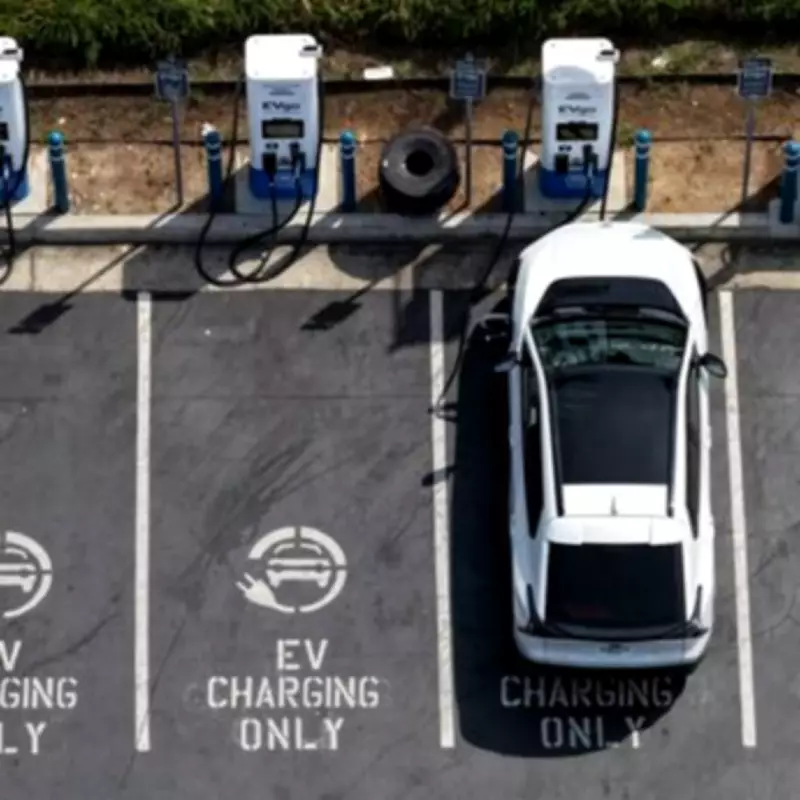
Paul Hollick, the chair of the AFP, highlighted specific instances where over-the-air (OTA) updates have substantially slowed the charging speeds of electric vehicles. "There are, for example, reported cases where OTA updates have slowed the charging speeds of electric vehicles, sometimes quite substantially, and this obviously has a direct impact on their operational potential," Hollick explained. He elaborated on the practical consequences, noting that if a fleet manager allocates thirty minutes for a van to charge during a meticulously planned route, and it suddenly requires forty-five minutes, this discrepancy leads to significant cost increases and service delivery issues.
Manufacturer Motivations and Fleet Concerns
While manufacturers may implement these changes for valid reasons such as enhancing battery longevity or improving safety protocols, the AFP contends that reducing a vehicle's capabilities long after a fleet has committed to purchasing or leasing it is fundamentally problematic. "Manufacturers are no doubt making these changes for good reasons such as improved battery life or even safety but they are also reducing the capabilities of a vehicle long after the fleet has decided to buy or lease it, and that simply doesn't seem right," Hollick stated. He further suggested that these actions could potentially constitute a breach of contract, raising serious legal questions for the automotive industry.

The association expressed deep concern over the manner in which these downgrades are executed. "We are in a situation where car and van makers are using OTA technology to downgrade the capabilities of vehicles to a noticeable degree – usually without warning, consultation or explanation. That is concerning and needs to change," Hollick emphasized. The AFP is advocating for stricter limits on the number and extent of modifications, alongside greater transparency regarding the nature and rationale behind these updates.
Challenges with Manufacturer Applications
Additional complications arise with manufacturer applications that are essential for accessing basic remote functions of vehicles. Hollick pointed out that agency drivers often rely on these apps, but revoking access when a driver moves on is frequently difficult or impossible. "Apps tend to be designed on a one user per vehicle basis but that's not how fleets tend to work, especially van operators," he noted. Moreover, manufacturers frequently update these applications in ways that alter their functionality, mirroring the issues seen with OTA software changes, and typically do not consult with the fleets that are their primary users.
Call for Improved Communication and CollaborationIn response to these challenges, the AFP is calling for enhanced communication between manufacturers and fleet operators. "Our members feel, at the very least, they need to be kept in the loop when changes are made and given the opportunity to make any concerns known," Hollick concluded. The association insists that fleet managers must be informed and consulted to ensure that operational efficiency and contractual agreements are upheld, fostering a more collaborative and transparent relationship within the automotive sector.