Rhapsody Gonzalez, a 38-year-old mother from North London, has been trapped in a cycle of compulsive spending for years, using Klarna and other buy now pay later schemes to fund a shopping habit that saw her spending up to £1,000 a month on designer clothes while struggling to afford nappies and formula for her son. Her debt has ballooned to £18,375, and she is now selling her extensive wardrobe on Vinted to claw her way back to financial stability.
How the Addiction Began
Gonzalez's relationship with fashion started early. While studying art and textiles at college, she would spend her £35 weekly allowance on vintage treasures. After discovering eBay, she began bidding on items, a process she now compares to gambling. 'I remember looking back it was kind of like gambling and I remember getting very upset trying to buy and buy things and not winning bids,' she said.
When she later worked as a sales assistant at retailers including Topshop, Urban Outfitters, and Oliver Bonas, she would blow 90% of her wages on payday at the shops. In 2017, while working part-time at Urban Outfitters, she made her first designer purchase: a pair of Balenciaga Triple S trainers costing over £600.

Spiralling Debt After Motherhood
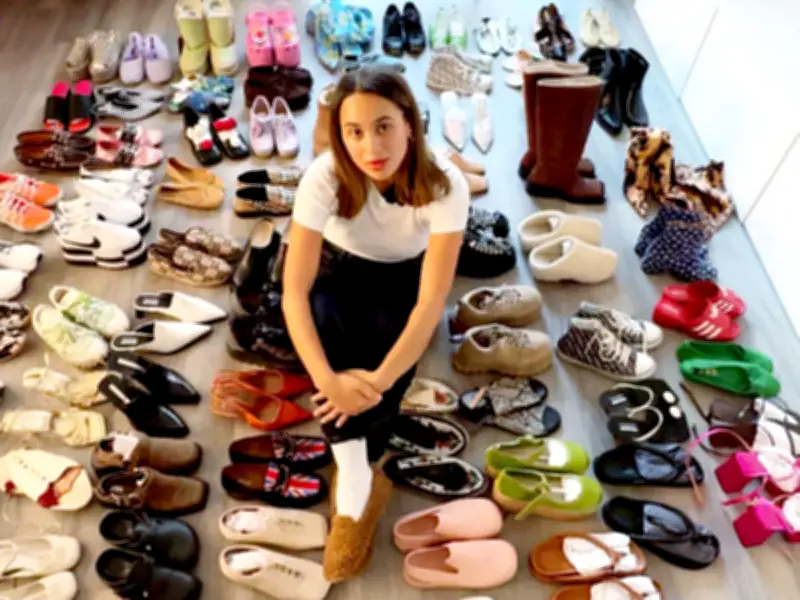
In 2022, after giving birth to her son, now two, and receiving a PTSD diagnosis, Gonzalez felt 'lost' and her spending patterns intensified. She initially took out a £4,000 loan to fuel her addiction, then discovered Klarna and took out another £2,000 loan to buy a new wardrobe, hoping to become a fashion influencer on social media. She continued using buy now pay later services to spend between £600 and £1,000 monthly on designer clothing, amassing 170 pairs of shoes since her teenage years.
Her debt spiralled further when she purchased two online creator courses with loans totalling £7,000 and £2,000, and was hit with a £6,945 tax bill in 2025, bringing her total to £18,375. She now has £315 of Klarna debt remaining, but faces £5,000 of credit card debt on a Virgin money transfer card.
Impact on Her Family
Gonzalez admits her addiction affected her ability to care for her son. 'After I had my son I didn't have enough money to buy formula and nappies because I spent all my money on my clothes,' she said. 'My partner was in debt himself as he pays all the bills so I couldn't tell him. My mum didn't know anything and when I needed money to buy formula or nappies I would just say I needed to do some shopping.'
She began to recognise her behaviour as an addiction after reflecting on her feelings. 'I started looking into it and thought 'I think this is an addiction' – it was not a normal feeling and sometimes I get to the point of just not wanting to live,' she said. 'I'd feel guilty with every purchase – I can't actually remember a time I didn't feel guilty.'
The Turning Point
The watershed moment came in December 2025 while talking to a friend at a pub, who disclosed they were also struggling with credit card debt. Gonzalez had previously thought she was 'the only one' facing this predicament, and the conversation spurred her to take action. In January 2026, she sat down and worked through her finances, realising she owed £18,000, and started a repayment plan.
Despite a setback in April, she secured extended credit by switching to a Virgin bank account, which allows her two years to clear her debt interest-free. She is also undertaking a no-buy year to minimise spending, though she notes she has never indulged in other areas like expensive skincare routines, and there 'really was nowhere else to cut back on'.
Repayment Strategy and Current Situation
Since January, Gonzalez has been working towards clearing her three loans – one of which, at £4,000, she has already settled – alongside £5,000 in credit card debt from Klarna and PayPal, plus a £2,000 loan from M&S. By selling clothes on Vinted, she has paid off £1,000, and she is also exploring selling an e-product and applying for a second job, such as a sales assistant position at a supermarket.
After making her monthly debt repayments, she is left with just £300 from her £1,600 monthly earnings. 'I am stressed but I handle it very well because life is just stressful,' she says. She has also opened a stocks and shares ISA for her children.

Raising Awareness About Shopping Addiction
Gonzalez wants to break the stigma around shopping addiction. 'It soothes me to just browse clothes,' she said. 'When I'm anxious or anything really I enjoy it, it makes me feel good and it's not until I actually purchase it that's when the guilt kicks in.' She notes that unlike substance abuse, shopping addiction is 'hidden in plain sight', as people can buy luxury items discreetly.
She has received over 50 heartfelt direct messages from women who are struggling with similar issues. 'It's something people are ashamed of at the end of the day and do get themselves into debt but as it's seen as such a frivolous materialistic thing you don't think you're allowed to say it's something wrong,' she said. 'I do want people to not feel ashamed and to realise it is an addiction and then hopefully turn around or even go and speak to their GP about it.'