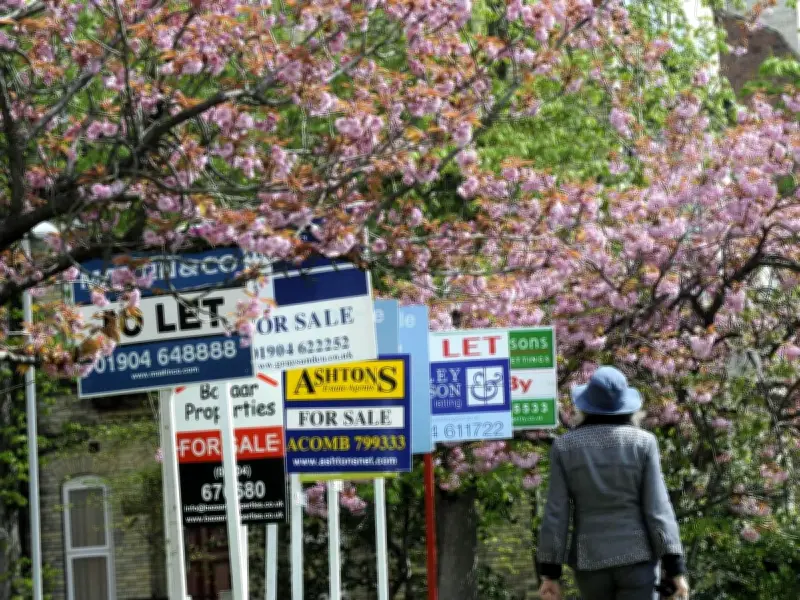
The latest Office for National Statistics (ONS) figures show average UK private rents rose 3.8% in the year to August, reaching £1,400 a month, while annual house price growth slowed to 1.4% in July. Property experts warn this divergence is trapping renters in a “vicious cycle” as higher rents make it increasingly difficult to save for a deposit.
Annual rental inflation in August was up from 3.7% in July, marking the fastest pace since December. Meanwhile, average UK house prices rose to £273,000 in the year to July, down from 1.5% growth in June and the third consecutive month of slowing annual growth. Regional figures show rents averaged £1,459 in England, £846 in Wales and £1,013 in Scotland, with the North East and North West recording the fastest rental inflation in England at 5.8%.
Experts warn of widening divide
Darryl Dhoffer, founder of The Mortgage Geezer, said higher rents were eroding the disposable income needed to save a deposit. He said: “This trend traps prospective buyers in a vicious cycle. Higher rents erode the disposable income needed to save a deposit, making the ladder harder to reach.”

Iain Thompson, director of Glasgow-based Evolve Finance, attributed the surge to a supply shortage. He said: “Rents outstripping house prices is the direct result of a massive supply squeeze. As landlords exit the market due to punitive tax changes, the pool of available rental properties is shrinking while tenant demand reaches record highs, driving prices up at the fastest pace this year.”
Supply squeeze and affordability concerns
Harry Goodliffe, director of HTG Mortgages, said renters waiting for house prices to fall were paying more each month. He said: “Renting has become the expensive way to wait for house prices to fall. Rents up 3.8% while house prices slow at 1.4% means anyone holding off on buying is paying more every month for a market that isn't getting further away from them.” He added that supply remained the key driver, with landlords taxed and regulated by successive governments.
Tony Sanchez, founder of Bridging Loan Directory, cautioned against drawing broad conclusions from the figures. He said purchase prices and rents operate under different pressures, with affordability and mortgage rates restraining house prices while constrained supply and higher landlord costs support rents. He noted that HMRC figures show allowable property expenses had increased, meaning higher rents did not necessarily translate into greater profits for landlords.
Renters face affordability squeeze
Tracey Dixon, buy-to-let mortgage specialist and owner of Cardiff-based Pure Mortgage and Protection, highlighted the difficulty renters face in satisfying lender affordability assessments. She said: “One of the most frustrating realities for renters is that they can demonstrate years of paying substantial rent on time, yet rising rents make it harder to save a deposit and they may still struggle to satisfy a lender’s affordability assessment.”
Matt Coulson, founder of Heron Financial, said rents and house prices were diverging because they were driven by different forces. He said: “Rents are a straight supply-and-demand market: fewer homes to rent and record demand push them up in real time. House prices don't have that freedom, because they're capped by what buyers can borrow at today's rates.” He added that high rates keeping a lid on prices were doing nothing to hold back rents, squeezing potential buyers from both sides.
Mr Coulson concluded that whether now was a good time to buy depended more on an individual's deposit and affordable monthly payment than small movements in house prices. He said: “There is a widening gap between renters and owners, and this is how it forms: those who bought are largely shielded, while those still renting are running to stand still.”