The Office for Budget Responsibility has issued a stark warning, forecasting that unemployment across the United Kingdom will climb to 1.9 million by the conclusion of 2026. This projection indicates a significant economic challenge, with the unemployment rate expected to rise to 5.3 per cent, marking the highest level since the peak of the Covid-19 pandemic in late 2020.
Impact on Chancellor Rachel Reeves
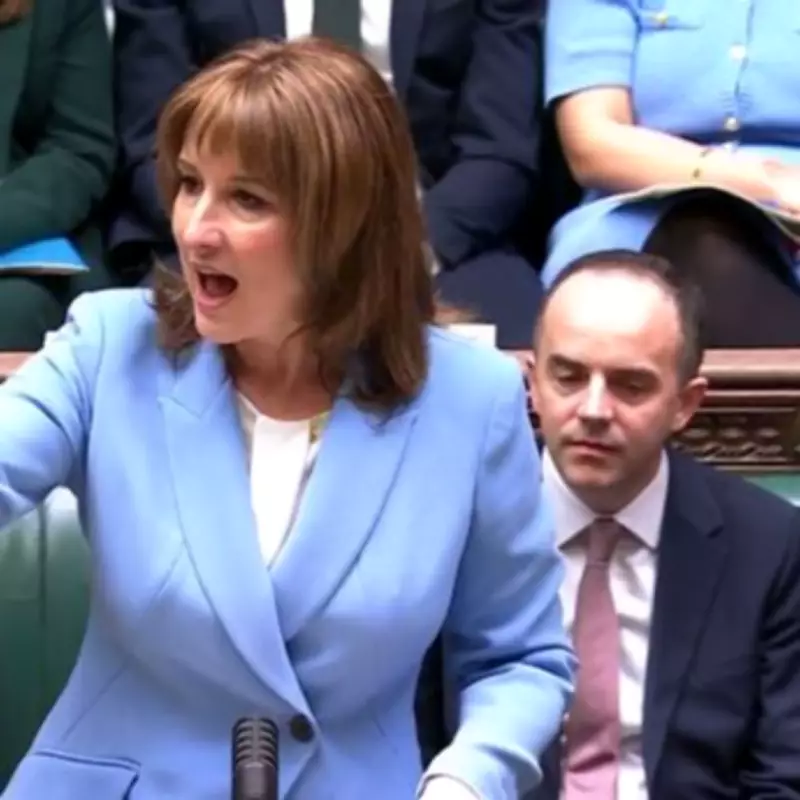
This forecast delivers a substantial blow to Chancellor Rachel Reeves, who recently presented her Spring Statement to Parliament. In her address, Reeves acknowledged that economic growth in 2026 would be slower than previously anticipated, though she projected improvements in the subsequent years of 2027 and 2028, with growth potentially increasing by up to 1.6%.
Reeves emphasized the resilience of the British economy, noting that last year it achieved the fastest growth among G7 countries in Europe. However, she expressed dissatisfaction with the current growth forecasts, attributing some of the economic difficulties to what she described as the deep economic scars left by the previous Conservative government.

Economic Projections and Political Promises
According to the OBR's updated forecasts, which account for factors such as lower net migration, the average growth across the forecast period remains largely unchanged. The profile of GDP has been adjusted, indicating slightly slower growth in 2026 but faster expansion in 2027 and 2028.
In a bold claim, Chancellor Reeves told the Commons that by the next election, currently scheduled for 2029, individuals are forecast to be £1,000 better off per year after adjusting for inflation. This statement sets a clear benchmark for the Labour Party government, providing a three-year window to fulfill this economic promise to the electorate.
Reeves further elaborated, I can confirm that GDP per person is set to grow more than was expected in the autumn, with growth of 5.6% over the course of this parliament. We promised change and we are delivering that change.
The rising unemployment figures underscore the ongoing economic pressures facing the UK, highlighting the critical need for effective policy interventions to stimulate job creation and sustainable growth in the coming years.