BBC Finance Expert Issues Urgent Warning for Account Holders With Over £5,000
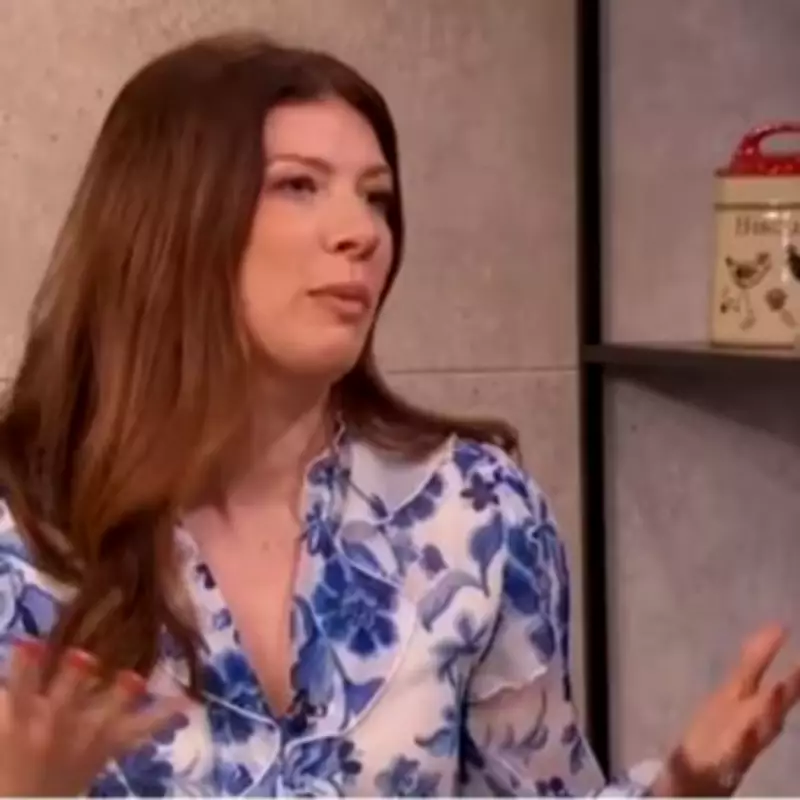
BBC Morning Live personal finance specialist Laura Pomfret has delivered a crucial alert to viewers across the nation, particularly targeting individuals maintaining bank balances exceeding £5,000. During a segment with presenters Greg Rutherford and Holly Hamilton, Pomfret highlighted alarming statistics indicating widespread financial inefficiency among British savers.
Billions Sitting Idle in Current Accounts
Pomfret referenced a comprehensive survey conducted by banking provider Chase, which uncovered that one in six respondents admitted to keeping more than £5,000 within their standard current accounts. "It feels like things are harder than ever," Pomfret acknowledged, "But some of us do still have cash. We do still have it in our current account."
Further analysis from Yorkshire Building Society estimates a staggering £411 billion is currently lying dormant in current accounts across the United Kingdom. The core issue, as Pomfret emphasized, is that these substantial sums are typically earning little to no interest, representing a significant loss of potential income for millions of households.

The Cost of Inaction on Savings
Pomfret provided a clear, practical example to illustrate the financial impact. "If you moved that money, let's say you had £1,000 in your current account and you're just keeping it there to make you feel better. If you moved it to a saver that was paying 4%, you would make £40 across that year," she explained.
That £40, as Pomfret pointed out, could cover essential expenses or small luxuries:
- A weekly grocery shop
- A birthday present for a loved one
- A nice meal at a restaurant
"It's free money," she stated, "but because you've not got it in there, you've got it in the current account, it's not making it."
Developing Better Financial Habits
The finance expert advocated for a shift in mindset regarding cash management. "Starting small, it doesn't have to be an awful lot," Pomfret advised, encouraging viewers to assess their immediate financial needs versus their savings potential.
She recommended a straightforward strategy: If funds are not required for immediate bills or as a short-term buffer, moving them to a dedicated savings account can generate passive income. This practice, even beginning with modest amounts like £200-£300, can establish beneficial financial discipline and gradually build more substantial savings through accrued interest.
"Getting into this mentality that if I don't need that money right now, having it just in a separate account, making money is really good practice," Pomfret concluded. "You can start small, and you can build from there."
This warning comes as many households face continued economic pressures, making optimal management of existing resources increasingly vital for financial stability and growth.