HMRC Issues Mandatory Letters for New Digital Tax System Targeting High Earners
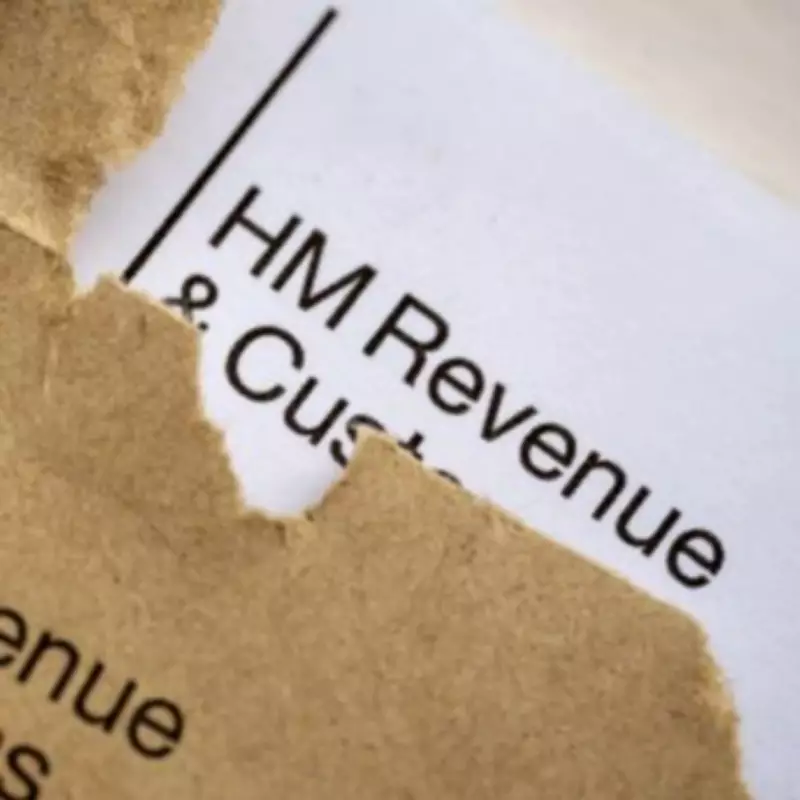
Households across the UK are receiving official correspondence from HM Revenue and Customs (HMRC) as the tax authority implements a significant overhaul of its reporting requirements. Letters are being delivered to individuals whose self-employment or property income exceeds £50,000 annually, notifying them of mandatory participation in the Making Tax Digital for Income Tax scheme starting April 6, 2026.
Quarterly Filing Requirements for Self-Employed and Landlords
The new system represents a fundamental shift from annual tax returns to quarterly digital submissions. Self-employed workers, freelancers, and landlords with qualifying income above the £50,000 threshold will be required to file tax information with HMRC four times per year. This income calculation is based on gross earnings before expenses and tax deductions, which experts warn may surprise some taxpayers.
Robert King of Nannywage Ltd explained, "If your 2024 to 2025 Self Assessment return shows income above £50,000 from self employment and property, HMRC is notifying you that Making Tax Digital for Income Tax will apply from 6 April 2026. That £50,000 is based on income before expenses and tax are deducted, which catches some people off guard, particularly household employers who also have business or rental income."

Progressive Threshold Reductions Over Coming Years
The implementation will occur in phases with progressively lower income thresholds:
- April 2026: £50,000 threshold takes effect
- 2027: Threshold reduces to £30,000
- 2028: Threshold further reduces to £20,000
The government has not specified when or if landlords earning below £20,000 annually will be required to join the scheme, leaving smaller operators in uncertainty about future compliance requirements.
Critical Action Required for Recipients
Those receiving mandation letters must take proactive steps, as HMRC will not automatically register taxpayers for the new system. King emphasized, "You need to choose compatible software and sign up in time for 6 April 2026, otherwise you risk falling behind before the new system even begins."
An important consideration is that tax agents, accountants, and bookkeepers are not copied on these letters. Taxpayers working with professional advisers must share the correspondence directly, as these professionals will not receive separate notifications from HMRC.
Universal Responsibility Regardless of Notification
HMRC has clarified that taxpayers bear ultimate responsibility for determining whether they meet the qualifying criteria. Not receiving a letter does not exempt individuals from the requirements if their income exceeds the thresholds. All affected parties must independently verify their eligibility and register accordingly to avoid potential penalties.
The transition to Making Tax Digital represents one of the most substantial changes to UK tax administration in recent years, requiring significant adaptation from millions of self-employed individuals and property owners across the country.