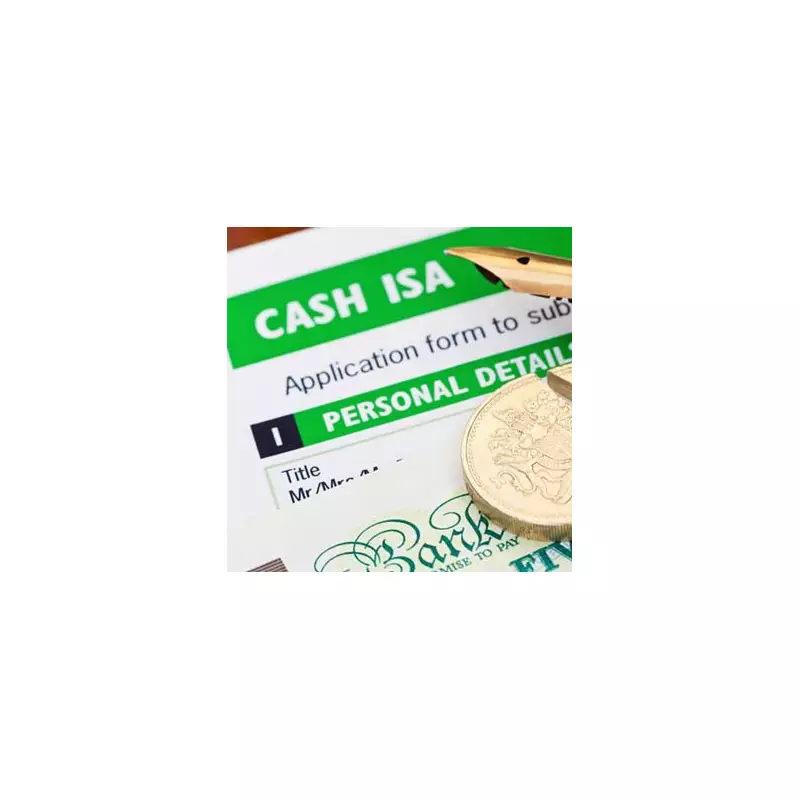
An overhaul of ISA rules announced by the Labour government is set to impact the finances of around two million households across the UK. The change will significantly reduce the amount individuals can shield from tax each year, potentially leading to hundreds of pounds in additional levies for regular savers.
What is Changing with the ISA Allowance?
The key reform involves a reduction in the annual ISA subscription limit from £20,000 to £12,000, scheduled to take effect from April 2027. This limit dictates the maximum amount you can save or invest within the tax-free wrapper each tax year. The government has confirmed that individuals aged 65 or above will be exempt from this reduction.
According to analysis from investment platform InvestEngine, this change directly targets a large number of active savers. Andrew Prosser, Head of Investments at InvestEngine, stated: “Our analysis shows that almost 1.5 million basic-rate taxpayers and just under half a million (462,000) higher-rate taxpayers deposited more than £12,000 into their Cash ISA in the last financial year.”

The Financial Impact on Savers
For those who consistently maximise their ISA contributions, the new lower threshold will force them to hold excess savings in taxable accounts. Once the interest earned outside an ISA exceeds the Personal Savings Allowance (£1,000 for basic-rate and £500 for higher-rate taxpayers), it becomes subject to income tax.
InvestEngine's modelling illustrates the potential cost. If a saver puts the £8,000 difference between the old and new limits into a standard savings account with a 4.5% rate, the tax burden over five years becomes substantial.
- Basic-rate taxpayers could lose around £264 in tax over the five-year period.
- Higher-rate taxpayers face a much larger hit, potentially losing around £1,216, which averages to about £234 per year once their interest surpasses their £500 allowance.
Experts warn that up to two million people could end up paying more tax on their savings as a result of this policy shift.
Budget Context and Government Stance
The ISA adjustment forms part of a broader package of measures introduced by Chancellor Rachel Reeves to address a multibillion-pound shortfall in public finances. The government stated the move helped build a larger £22bn of fiscal headroom, aiming to stabilise borrowing costs and meet strict fiscal rules.
While emphasising her commitment to cutting the cost of living, the Chancellor acknowledged the need for shared contribution. “I said I would cut the cost of living and I meant it. This budget will bring down inflation and provide immediate relief for families,” Reeves said. However, she added that faced with the financial challenge, she was “asking everyone to make a contribution,” alongside other tax increases on incomes, pensions, and property.
The policy leaves savers with a pressing need to review their financial strategies ahead of the 2027 implementation date, seeking efficient ways to protect their savings from taxation.