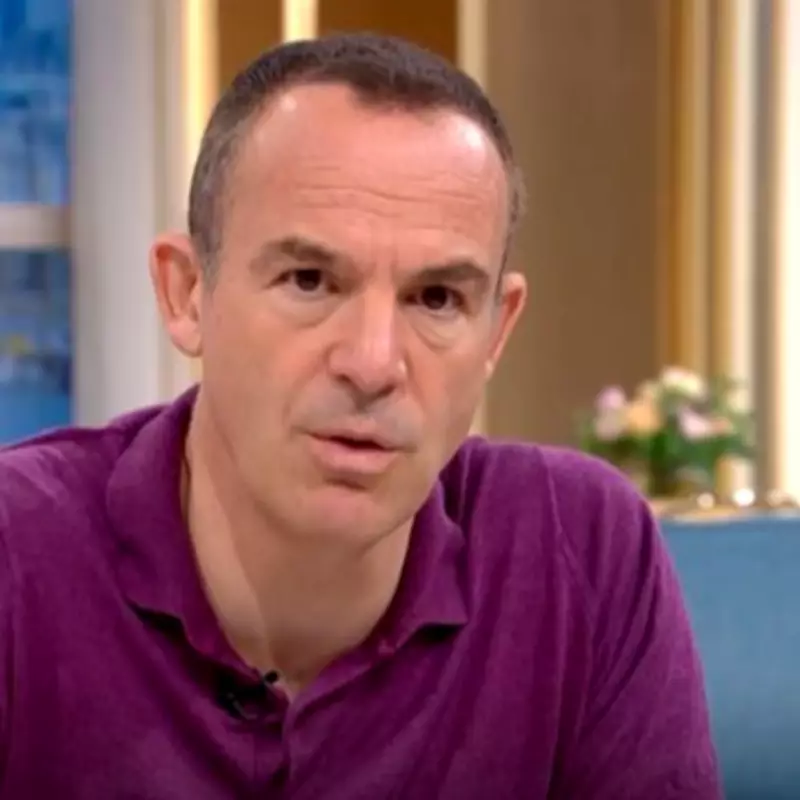
Martin Lewis is urging Brits to make one change that could see them avoid the upcoming energy bill price rise on July 1. The new price cap set at £1,862 a year on average for a typical dual-fuel household represents a rise of about £221 a year or 13.5%, more than previously estimated by industry insiders.
This new cap, confirmed today (May 17) by energy regulator Ofgem, will last until September 30. However, "those on fixes won't see a rise," Martin explained, as he urged "everyone on the Price Cap should consider getting off it."
Martin Lewis explains the impact
The MoneySavingExpert.com (MSE) founder explained: "The Middle East conflict will finally force its way onto most people's energy bills from July, with a 13% rise in the Price Cap. The hit will be biggest for higher users, especially those who use gas, as the change is in the cost of each unit of energy used rather than the daily standing charge. The gas unit rate is up 28%, with electricity up 6%.

"While there'll understandably be much argument in political circles about who or what's to blame, the key for consumers' pockets is that these changes only apply to those on firms' bog-standard tariffs. Those on fixes won't see a rise."
What consumers should do
"And that means everyone on the Price Cap should consider getting off it, if they can, for example, by locking in a fixed rate below the current Cap – up to 3% below. Do that, and you start saving straight away, and then from July the fix will be 14% cheaper than the Cap."
By October, things for those who stay on the Price Cap are likely to be even worse, with it predicted to rise again by a couple of percent. "And even if the conflict in the Middle East ended tomorrow, while that may mean the Cap drops a bit rather than rises in October, it's unlikely we'd see it return to where it is today. So, fixing seems the risk-averse bet for most."
Prepayment meter customers
"Sadly, cheap fixes aren't available for those on prepayment meters, but most people paying by direct debit can lock in cheaper deals."
"Don't stick with your own firm's fix though, many firms don't have cheap deals. Your exact cheapest tariff depends on usage and where you live, so ensure you do a whole-of-market comparison."
The MSE Cheap Energy Club does that by default. "If you're using other comparison sites, be careful - most hide tariffs that don't pay them, and the cheapest fixes at the moment often don't pay. So, ensure you find the small 'show all tariffs' button on the page."
Further advice from MSE
Over on the MSE website, they give a link to how to check if you're on the Energy Price Cap. If you are on it, "the risk averse thing to do right now is to fix your energy, as this will lock in your rates for a year," they explain.
However, they urge: "Don't just grab any fix, ideally you'd want to fix that's priced at around or just less than the current Cap."
"If you get a fix just under the current Cap, you'll save a smidgeon now, but more importantly, you'll protect yourself against the upcoming 13.5% increase in the Price Cap from 1 July."