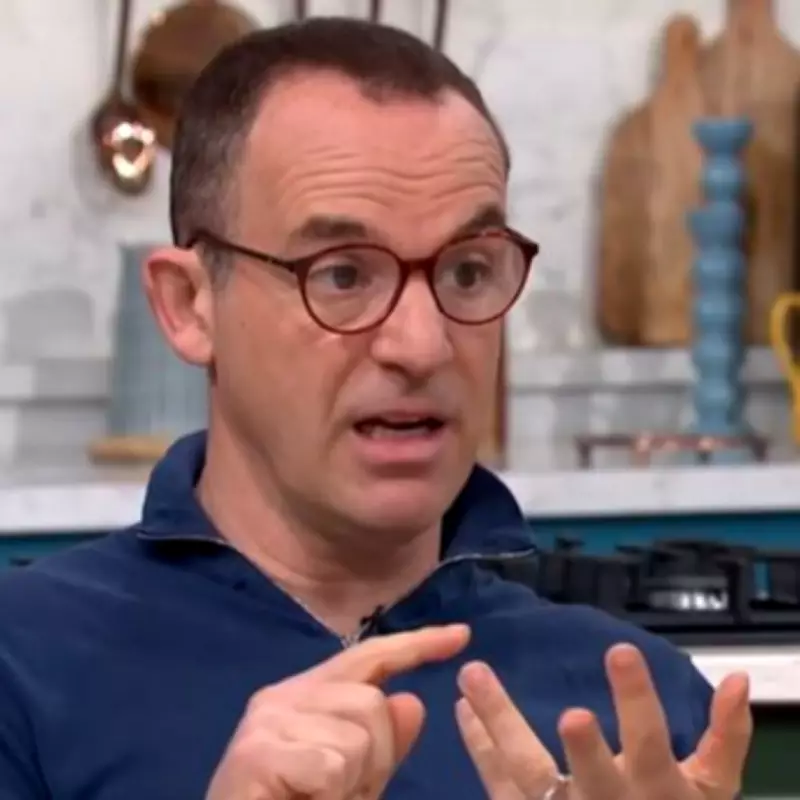
Financial guru Martin Lewis has delivered a scathing verdict on the controversial practice of shrinkflation, labeling it as "duplicitous" and calling out companies for attempting to hide price increases from consumers. The Money Saving Expert, renowned for his advice during the ongoing cost-of-living crisis, responded to a public query on social media, sparking a wave of criticism against this stealthy pricing strategy.
What is Shrinkflation and Why Does It Feel Like a Rip-Off?
Shrinkflation occurs when manufacturers reduce the quantity or size of a product while maintaining the same price, effectively raising the cost per unit without an overt price hike. This contrasts with straightforward price increases, which are more transparent and easier for shoppers to notice. In a recent post on X, a consumer highlighted this issue by sharing an image of two Mokate Gold Premium Latte Caramel packets—one containing 10 sachets and the other only 9—asking why shrinkflation feels more deceptive than a direct price rise.
Martin Lewis's Direct Response
Martin Lewis did not hold back in his assessment, stating, "Because it feels duplicitous, like they're trying to pretend it doesn't happen and they hope you won't notice." He emphasized that price rises are more transparent, allowing consumers to make informed decisions. His comments have resonated widely, with many echoing his sentiments and condemning the practice as underhanded.

Consumer Outcry and Calls for Action
The response from the public has been overwhelmingly negative, with numerous individuals slamming shrinkflation as deceitful and calling for regulatory measures. One commenter argued, "This surreptitious practice should be outlawed. It’s price rises by deception and wouldn’t be allowed in any other circumstances." Others pointed out that companies often combine shrinkflation with actual price increases, exacerbating the financial strain on households.
Another consumer expressed frustration, saying, "What’s worse is they probably increase the cost too," highlighting the dual burden faced by buyers. A third added a touch of dark humor, noting, "If the trend continues, theoretically we'll eventually be paying for empty boxes of coffee and tins of quality street—there'll be nothing there except for memories." This sentiment underscores the growing concern over the erosion of value in everyday products.
The Psychological Impact of Shrinkflation
Beyond the financial implications, shrinkflation has a psychological effect on consumers, making them feel disrespected and manipulated. As one person put it, "It's because they are treating you like you are an idiot. And no one likes to be called an idiot." This perception of dishonesty can damage brand trust and lead to long-term consumer backlash, as people seek out more honest alternatives.
Broader Implications for the Cost-of-Living Crisis
Shrinkflation is a significant component of the broader cost-of-living crisis, subtly increasing expenses without the visibility of direct price hikes. Martin Lewis's intervention brings much-needed attention to this issue, encouraging consumers to stay vigilant and demand greater transparency from manufacturers. As households continue to grapple with rising costs, understanding tactics like shrinkflation is crucial for making savvy purchasing decisions and advocating for fairer practices in the marketplace.