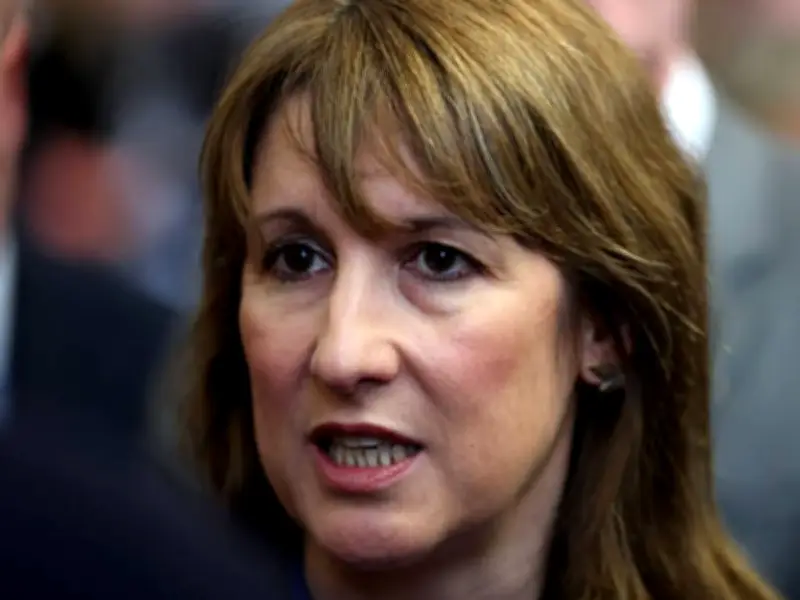
Chancellor Rachel Reeves has confirmed a £120 discount for drivers after facing criticism over inaction on rising fuel costs. The Labour government announced it would extend the 5p per litre fuel duty freeze until the end of the year, cancelling a planned reversal scheduled for September. Reeves stated that the decision has "saved motorists £120 since 2025," adding to measures aimed at reducing the cost of living, including cutting energy bills, freezing prescription charges, and raising the minimum wage.
Impact of Iran War on Fuel Prices
The announcement comes as the Iran war appears to be nearing an end after the US and Iran agreed to open the Strait of Hormuz. It is hoped that petrol costs will fall as a result. However, Howard Cox, founder of FairFuelUK, warned that while some organisations have forecast falling prices of unleaded and diesel, the savings are coming at a "snail's pace." He noted that the fuel supply chain is "holding back on passing on wholesale price cuts to drivers."
Cox added: "The Government has collected over £750 million in additional VAT since the start of the Iran conflict, whilst drivers have had to pay an extra £4 billion to fill up. Over 40 countries have helped their motorists with fiscal measures to ease the pain of rocketing pump prices. Rachel Reeves did nothing and continues to allow opportunistic profiteering in the fuel supply chain."

Government Response and Economic Context
Reeves defended the government's actions, saying: "The war in Iran is pushing up fuel prices here at home, but after strong growth at the beginning of the year, I am stepping in to protect people at the pump." The Chancellor emphasised that the fuel duty freeze is part of broader efforts to support households amid global economic pressures.
Steve Gooding, director of the RAC Foundation, highlighted the ongoing burden on drivers: "The conflict in the Persian Gulf has, on average, cost drivers and businesses around £260 million per week in extra spending on the forecourt. Whilst oil prices have eased back from their recent highs, pump prices are still far above where they were before the bombs started dropping and prices look set to stay elevated even if a sustainable peace deal is secured. Tens of millions of UK drivers will be paying the price of this war for weeks, or more likely months, to come."
Criticism and Future Outlook
Critics argue that the government has been slow to act, with FairFuelUK calling for more direct fiscal measures to ease the burden on motorists. The fuel duty freeze is expected to provide some relief, but experts warn that pump prices may remain high for an extended period. The government maintains that its actions are helping to stabilise costs while supporting economic growth.