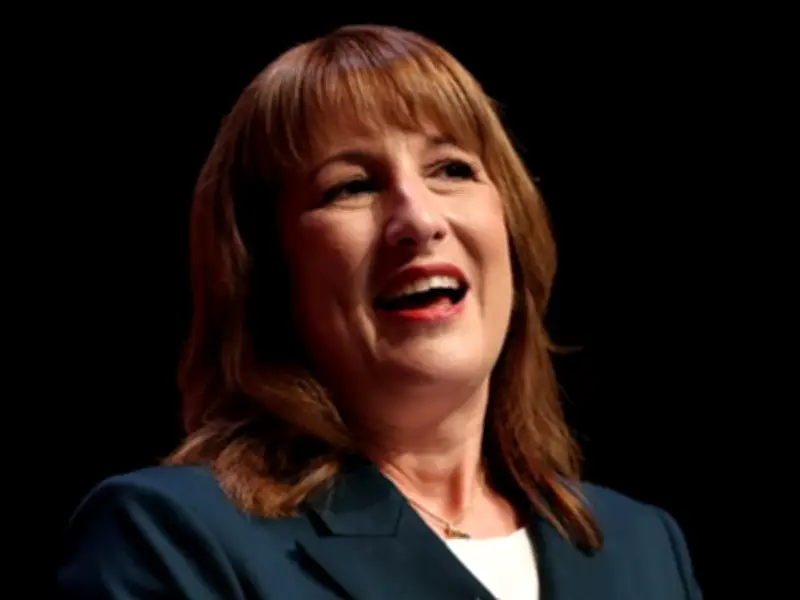
Chancellor Rachel Reeves has maintained a freeze on tax bands, originally introduced by the Conservatives, which could see more households with £10,000 in savings targeted by HMRC. The policy affects how much interest savers can earn tax-free, with the personal savings allowance dropping from £1,000 to £500 for those earning over £50,000.
How the personal savings allowance works
Basic rate taxpayers, earning between £12,500 and £50,000, currently have a personal savings allowance of £1,000. This means they can earn up to £1,000 in interest from UK sources without paying tax. However, higher rate taxpayers, earning between £50,000 and £125,000, see their allowance halved to £500.
With leading easy access savings accounts offering around 5% interest, a saver with £10,000 would generate £500 in interest annually. This amount is within the allowance for basic rate taxpayers but exactly matches the threshold for higher rate taxpayers, meaning any additional interest could be taxed.

Impact of moving into a higher tax band
Workers who receive a pay rise, promotion, or start a new job that pushes them into the higher rate tax band will see their personal savings allowance reduce. Consequently, the amount of savings they can hold before being taxed drops from £20,000 to around £10,000. This change could catch many savers off guard.
Martin Lewis, the money expert, explained: "Now if you're a basic rate taxpayer, a 20% rate taxpayer, which is generally someone earning between about £12,500 and £50,000 a year, then your personal savings allowance is £1,000. That means you can earn £1,000 of interest from any legitimate UK sources and you do not have to pay tax on it."
He added: "So if you've got £20,000 or less in savings and you're a basic rate taxpayer, it is very unlikely that your savings interest would be taxed, so you don't have to pay anything so you can get on with it. If you're a higher 40% rate taxpayer, which is someone earning over around £50,000 up to about £125,000, then your personal savings allowance is £500 a year."
What savers should do
Households expecting to move into a higher tax band should review their savings and interest earnings. They may consider using tax-efficient accounts such as ISAs to shield interest from taxation. The freeze on tax bands, originally a Conservative policy but continued by Reeves, means more people could be affected as wages rise with inflation.