Higher prices due to the conflict in the Middle East could last eight months after the conflict ends, it has been suggested. Chief Secretary to the Prime Minister Darren Jones said the economic impacts would likely manifest as 'price pressure'. There could be potential issues around supplies of energy going into production rather than shortages on supermarket shelves, he said.
Mr Jones said: 'You're going to see prices go up a bit as a consequence of what Donald Trump has done in the Middle East. And quite frankly, that's probably going to come online, not just in the next few weeks, but the next few months. There's going to be a long tail from this.'
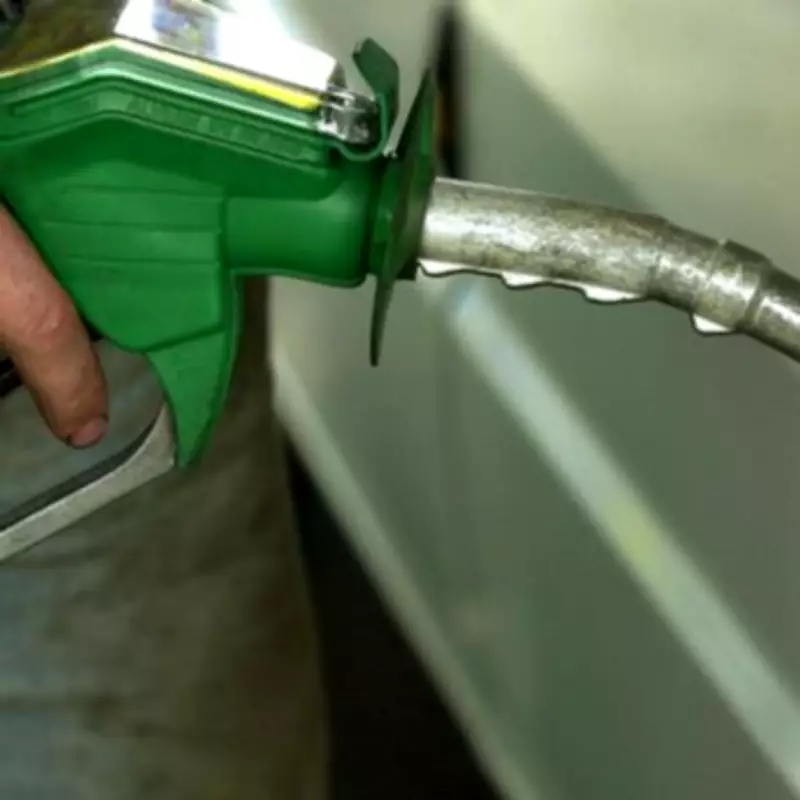
Asked how long higher prices, such as for petrol and diesel, might remain, he suggested it would be around eight months after the Strait of Hormuz is unblocked and a de-escalation of the conflict takes place. He said: 'I think our best guess is eight-plus months from the point of resolution that you'll see economic impacts coming through the system.'

Mr Jones added: 'People will see higher energy prices, food prices and those types of issues, flight ticket prices, as a consequence of what Donald Trump has done in the Middle East. The Government here in the UK, the work that I'm doing with the Prime Minister is looking at all of those things and saying what can we do within our power to help people to get through those difficult times?'
Asked if there was really a beer committee to ensure pipes do not run dry during the World Cup if supplies of carbon dioxide run low, he said: 'I raised this issue because if there is a problem with jet fuel on holidays and carbon dioxide on beer the summer might be pretty depressing for people, but we're doing everything we can to make sure that it's not the case.'