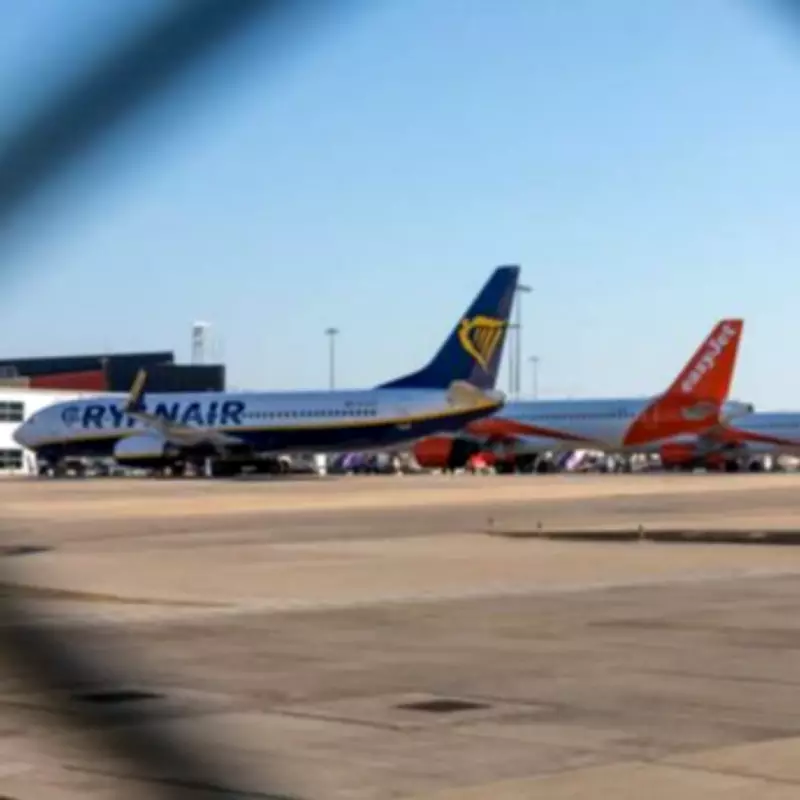
Easyjet, Jet2, and Ryanair have issued updates for passengers with flight bookings and holiday plans before September. Due to the ongoing conflict in Iran, airlines have cancelled thousands of flights, with the closure of the Strait of Hormuz triggering oil supply issues.
Impact of the Iran War on Airlines
Last month, Lufthansa announced it was cutting 20,000 flights, while Spirit Airlines collapsed into administration over the weekend. As the prospect of critical fuel levels looms, EasyJet has launched a “book with confidence” policy. The airline guarantees no price increases after booking because it is 70 per cent hedged, though only until September.
Ryanair, a rival to EasyJet, claims to be the most hedged airline in Europe, offering some protection against fuel price volatility.
Jet2's Fuel Hedging Strategy
Jet2 has announced plans to enter the summer 2026 season—spanning the end of August to the start of September—with a significant level of fuel hedging. In a trading update issued on April 29, the company highlighted that it has secured a high proportion of its fuel needs for the upcoming summer, following an earlier statement in February. This hedging approach is expected to shield Jet2 from potential cost increases associated with regional conflicts that could impact oil markets.
Expert Commentary on Travel Uncertainty
Jenny Southan, founder of Globetrender, commented: “Travellers are reacting by delaying bookings and waiting for clarity. The early phase of the war in Ukraine is the closest parallel in terms of uncertainty and rumour, but this feels more systemic. The Middle East is central not just to geopolitics but to aviation infrastructure and energy flows, so the impact is more diffused – it affects routing, pricing and confidence all at once.”
Stefan Kreuzpaintner, a senior vice-president at Lufthansa, told the Guardian: “When we talk about fuel, there’s basically two things. One is that the price increases, which makes the cost base for airlines more challenging. How much you’re affected depends on whether you’ve hedged your fuel price into the future. The other part is fuel supply, because you refuel in your destination.”