Dorset's new 10-year tourism strategy, designed to boost the county's £1.66bn visitor economy, places a strong emphasis on attracting more international visitors and addressing seasonality. The plan, which will be considered by Dorset Council's Cabinet on Tuesday 28 July, comes as some tourism businesses consider scaling back or closing.
Key objectives of the strategy
The Dorset Local Visitor Economy Partnership Destination Management Plan 2026-2035 aims to transform the county into a more welcoming, dynamic, and year-round destination. Key objectives include increasing visitor expenditure, enhancing perceptions of Dorset, and fostering sustainable tourism development.
According to a survey cited in the report, 60 per cent of tourism businesses are committed to growing and investing, while 25 per cent are maintaining current performance levels, and 11 per cent plan to downsize or retire within three years.
Focus on international visitors
Attracting more overseas visitors is a central goal, as they tend to spend significantly more than domestic tourists. Priority markets include the Netherlands, Germany, other European nations, and long-haul English-speaking countries.
The strategy leverages Dorset's status as a Local Visitor Economy Partnership (LVEP) with VisitEngland, granted in May 2025. This designation provides access to national data, expertise, and marketing opportunities, which the plan aims to utilise to boost off-season tourism.
Addressing seasonality
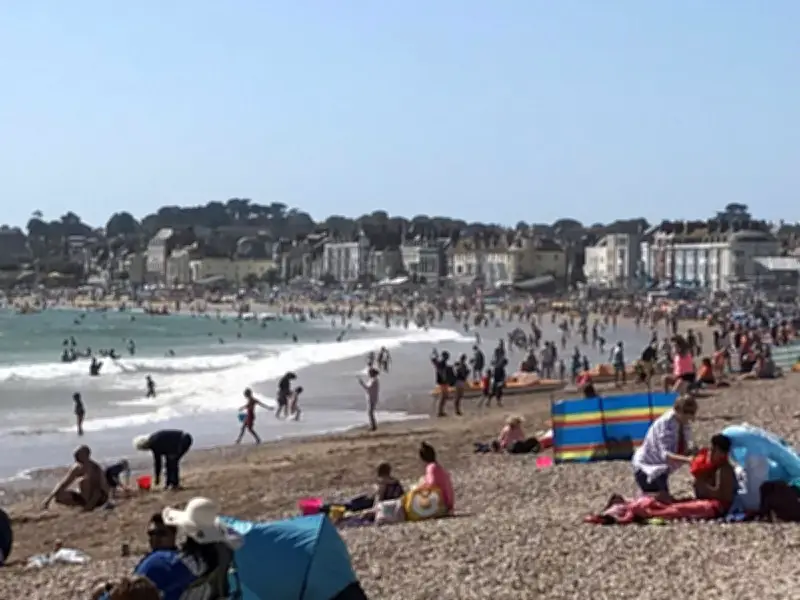
Dorset's tourism is heavily reliant on the peak summer months, with 36 per cent of domestic overnight visits occurring in July and August. Nearly a third of tourism businesses earn more than half their revenue during these two months.
The plan proposes developing off-peak visitor offerings, focused marketing campaigns, enhanced data use, experience mapping, and increased cultural programming during quieter periods. Growth is expected to come from two year-round markets: visitors interested in nature and culture, and those seeking active and mindful experiences.
Economic impact
The visitor economy draws more than 22 million visitors annually, generating £1.66bn in direct spending and supporting nearly 30,000 jobs, equivalent to about 23,000 full-time positions or eight per cent of all employment in Dorset.
The report warns that without a widely endorsed strategy, Dorset risks losing its LVEP accreditation and associated support. No additional council resources are required, but no government funding has yet been allocated to the partnership.
Implementation and engagement
The destination management plan will be circulated among the tourism sector, with workshops and engagement sessions planned across the county to develop a three-year action plan. Annual progress reviews will be conducted through the LVEP advisory board.