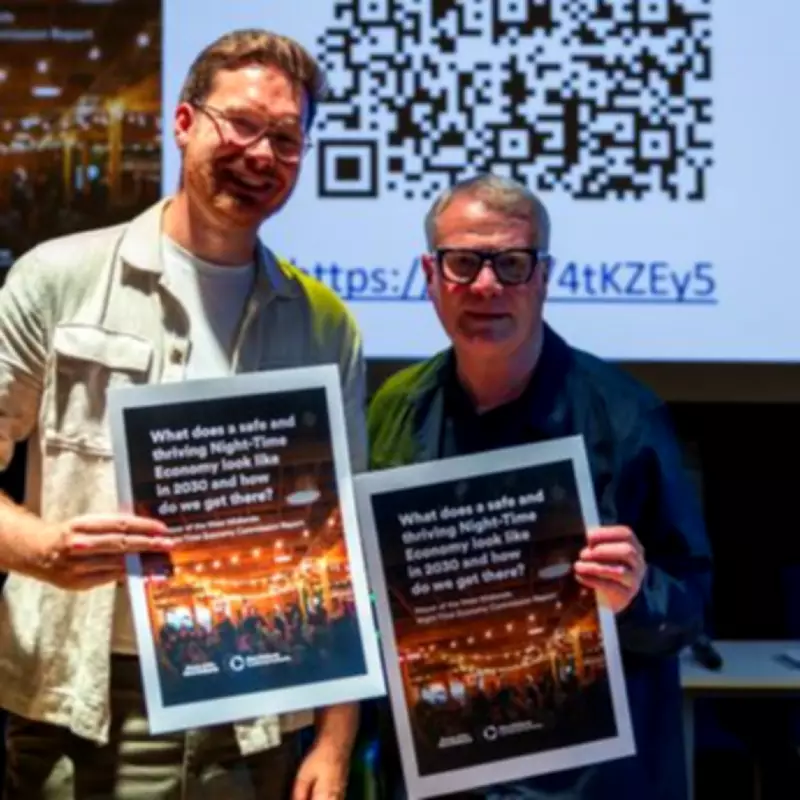
The West Midlands Night-Time Economy Commission has launched a comprehensive action plan aimed at revitalising the region's struggling night-time economy. The blueprint, which includes 25 recommendations, focuses on making the area vibrant, safe, and accessible after dark.
Key Recommendations
The report calls for improved night-time public transport with more frequent and affordable services, a refreshed Night Safety Charter focusing on women, LGBTQ+ and disabled people, and the creation of safe havens where workers or night-out goers can seek immediate help. Other measures include safer streets with better lighting, strengthened support for night-time workers through training and wellbeing initiatives, and backing for grassroots music venues, independent hospitality businesses, theatres, and cinemas.
Economic Impact
The night-time economy currently employs 324,000 people in the West Midlands, roughly one in four of the region's workforce, with around 100,000 working directly in nightlife sectors. However, the industry has been hit hard by the Covid-19 pandemic, rising living costs, changes to licensing and regulation, and issues with public transport, safety, and staffing.
Mayor's Response
West Midlands Mayor Richard Parker, who established the commission, welcomed the report and pledged to work on implementing its recommendations. He said: "The West Midlands has a night-time economy worth fighting for great pubs, incredible food and music venues that gave the world Black Sabbath and Two-Tone. But it only works if people can get there and get home safely, if the streets feel welcoming, and if businesses know someone is on their side."
Commission Chair's Statement
Dr Chris Burden, chair of the commission, added: "Our nightlife and hospitality venues have an enormous amount to offer, but we know they could do better with the right support in place. That means building up transport, prioritising safety, and crucially tackling the costs of doing business."
Industry Reaction
Lyle Bignon, Night Time Industries Association NTE Ambassador for Birmingham and commission member, described the report as "one of the most ambitious and important moments for nightlife, hospitality and culture in the history of our region." He stressed that the challenge now lies in delivery, investment, and sustained political commitment.