New UK Passport Regulations for Spain and Greece Take Effect February 25
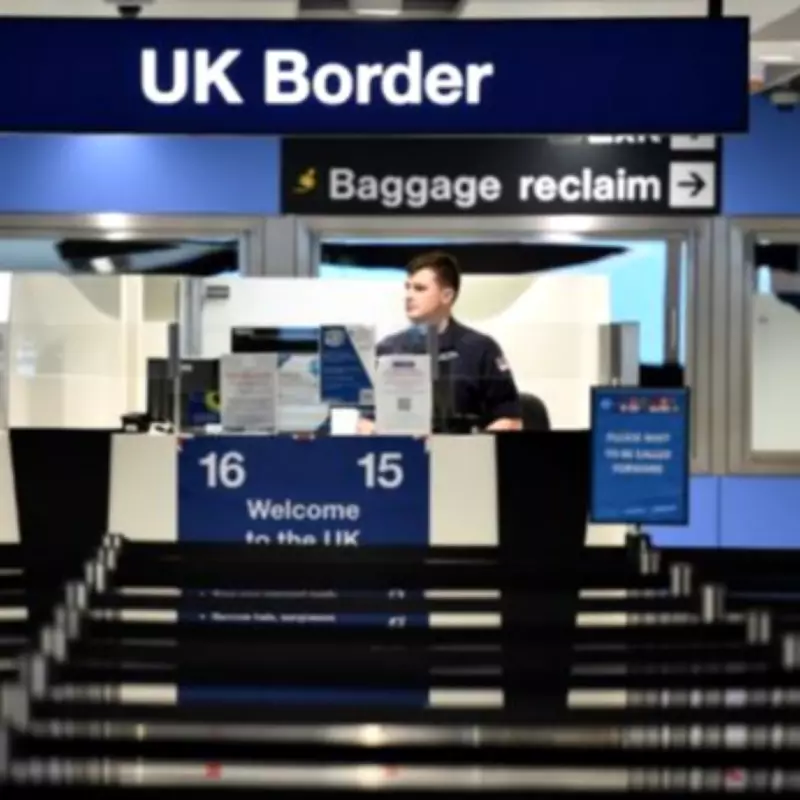
Significant changes to travel documentation requirements for British dual nationals are set to be implemented from Wednesday, February 25, 2026. The new regulations mandate that individuals holding dual citizenship must present a British passport when boarding any plane, ferry, or train bound for the United Kingdom.
Alternative Documentation and Financial Burden
As an alternative to presenting a British passport, travelers can attach a newly introduced "certificate of entitlement" to their second passport. However, this document comes with a substantial cost of nearly £600, creating a significant financial hurdle for many affected individuals.
The issue is expected to impact dual nationals within the European Union who acquired citizenship after Brexit most severely. This heightened effect stems from British rules requiring exact name alignment between UK passports and secondary passports.
Campaigners Highlight Discriminatory Impact
Julia Cross, representing the grassroots organization British in Greece, has voiced strong concerns about the new requirements. "It is causing huge problems," Cross stated, emphasizing that the name alignment rule disproportionately affects women.
"Many didn't know they had to get a second passport, but the requirement for name alignment on the two passports is discriminatory and only impacts women," Cross explained to The Guardian, which reports that dual nationals residing in Spain and Greece could be among the most negatively affected by these changes.
Personal Accounts Reveal Travel Difficulties
Several affected individuals have shared their experiences with the new regulations. One woman contacted Cross expressing that she feels "banned" from entering her own country, while another questioned whether the UK is entering a "Trumpian environment where they turn against their own citizens."
A British national living in Spain highlighted practical concerns: "Even if I could fly out on the Spanish passport and show the airline I possess a British passport, I was told if the names don't align, the airline may refuse boarding. This is ridiculous because British passports only have one surname while Spanish passports have two."
Government Guidance and Traveler Frustration
Official guidance indicates that the Home Office will "exceptionally consider" allowing different names on documents when individuals can provide evidence that they cannot change their name on foreign-issued documents. However, this exception does little to alleviate the broader concerns.
One woman residing in Germany expressed frustration: "They are treating tourists better than their own citizens. Why can't we just have an ETA? Why do we have to fork out nearly £600 if we can't get a passport? For a family traveling at Easter, that is a lot of money."
The implementation of these new passport rules continues to generate significant debate about fairness, discrimination, and the practical challenges facing British dual nationals across Europe.