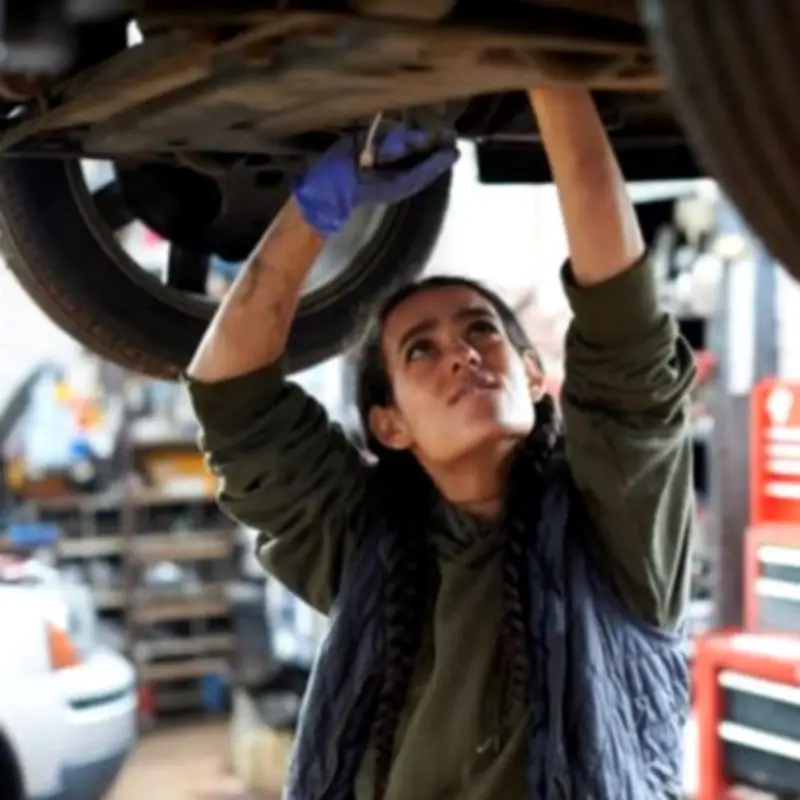
A mechanic has issued a stark warning about a so-called 'unfixable' problem affecting modern used cars. Dave Harrison, a mechanic at 911 Auto Repairs in Sheffield, has warned that 'wet belts' could become the 'next big scandal' in the automotive industry.
Wet timing belts, also known as belt-in-oil systems, have replaced traditional dry timing belts in many vehicles manufactured after 2017. While they offer certain engineering benefits, such as reduced friction and improved fuel economy, they are proving to be a common source of expensive repair bills if not properly maintained.
Harrison explained: 'The next big scandal - wet belts. They replaced timing belts with wet belts on a lot of models after 2017, supposedly they're more efficient. But the wet belt is a big problem because it only has a 10-year interval and then it breaks. It deteriorates and it can stop your brakes from working.'
He added that when the belt does break, it can become 'very difficult to fix' and may take twice as long as a normal belt to repair. This is because the belt is immersed in engine oil, making access and replacement more complex compared to traditional dry belts.
A wet belt, or belt-in-oil timing belt, runs inside the engine and is lubricated by engine oil. This design was introduced as a modern alternative to traditional dry timing belts and timing chains. The main idea behind wet belts is efficiency: by running in oil, the belt is quieter, creates less friction, and can improve fuel economy. Manufacturers also designed them with the aim of reducing maintenance intervals compared to older systems.
Traditional timing belts, often called 'dry belts,' run outside of the engine in a dry environment. They are made from rubber reinforced with fibres, and most had service intervals of 60,000–100,000 miles before replacement was required. By contrast, wet belts are designed to last longer in theory—often up to 150,000 miles or 10 years—but their failure can be catastrophic and costly.
Drivers are urged to check their vehicle's service history and be aware of the type of timing belt used in their engine. Regular maintenance and timely replacement are essential to avoid the risk of the belt breaking, which could lead to severe engine damage and even brake failure.