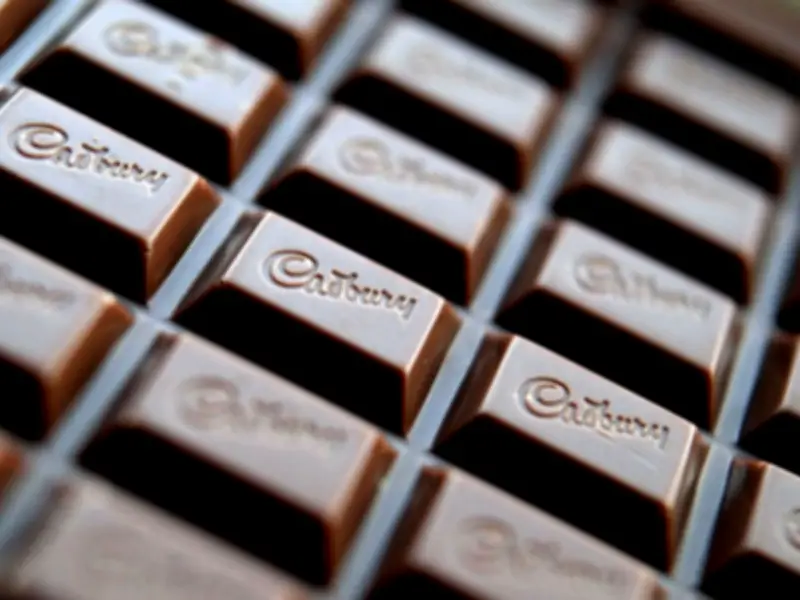
The weight reduction means the larger sharing bars now tip the scales at 345g instead of the previous 360g, a change that has not gone unnoticed by eagle-eyed shoppers. Cadbury, the Birmingham-based chocolate maker, has confirmed the 15g cut to The Sun, blaming 'higher input costs' across its supply chain. The reduction is the latest example of shrinkflation, a practice where products get smaller while prices stay the same or even rise, and it has sparked frustration among loyal customers who feel the brand is quietly eroding the value of their favourite treat.
Customers were quick to condemn the move, with one accusing the brand of 'tricking' buyers by keeping the packaging completely unchanged while making the chocolate bar thinner. Another described it as the 'sneakiest' shrinkflation yet, suggesting the subtle change could easily go unnoticed on busy supermarket shelves. 'Time to switch to a better alternative, of which there are many,' one shopper wrote online, while another added: 'The shrinkflation is real for sure.' The comments reflect a broader scepticism among consumers who are increasingly watchful of pack size changes.
Cadbury insists size change is a last resort
A spokesperson for Cadbury told The Sun that changing product sizes was a last resort, forced on the company by relentless cost pressures. 'As a food producer, we are continuing to experience higher input costs across our supply chain. This means our products continue to be much more expensive to make and while we have absorbed these costs where possible, we still face considerable challenges,' they said. The statement mirrors comments made by other food manufacturers as they grapple with the rising cost of raw materials, energy and logistics.
This is not the first time the company has flagged such difficulties. In 2025, a spokesperson for Mondelez, which owns Cadbury, said that raising prices was also a last resort but that ingredients such as cocoa and dairy were costing significantly more. 'This means our products continue to be much more expensive to make,' they said at the time. 'As a result of this difficult environment, we have had to make the decision to slightly reduce the weight and increase the list price of some of our Cadbury products.' That earlier warning has now materialised in the form of the 15g cut to the 360g sharing bar.
Chocolate makers across the industry feel the pinch
Cadbury is not alone in resorting to shrinkflation. Mars Wrigley, maker of Mars bars and Snickers, told the BBC that higher cocoa prices and manufacturing costs meant it had to 'adjust some product sizes without compromising on quality or taste'. The comments underline the scale of the challenge facing the chocolate industry as commodity prices remain volatile. With cocoa prices having surged in recent years due to supply concerns and increased demand, manufacturers are finding it increasingly difficult to maintain pack sizes and price points.
The full impact of these rising costs may not have reached shoppers yet. Christian Jaccarini, a senior food analyst at the Energy & Climate Intelligence Unit think tank, said the transmission of price shocks takes time. 'It takes about 18 months for the full impact of a shock to be felt by consumers, so we still have quite a long time with higher prices for chocolate,' he explained. This suggests that the current wave of shrinkflation and price increases could continue for at least another year, affecting everything from everyday chocolate bars to premium boxes.
What the 15g cut means for Dairy Milk fans
For regular buyers, the change means a 345g bar instead of 360g - a reduction of roughly 4%. While that may not seem dramatic, it represents a subtle yet meaningful decrease in value, especially if list prices also rise as hinted by Cadbury. Shoppers could end up paying more for noticeably less chocolate. The 15g difference might not be noticeable to the casual eye, but for those who buy the sharing bars regularly, it adds up over time.
Shrinkflation, the practice of reducing product size while holding or increasing price, has become an increasingly familiar tactic in the food industry. It is often criticised for being less transparent than a straightforward price rise, as consumers may not immediately notice the smaller packaging. However, manufacturers argue that discreet reductions are preferable to sharp price increases that could deter purchases. Consumer groups have repeatedly called for clearer labelling so shoppers can easily compare product weights and prices.
For Cadbury, the challenge is clear: maintaining customer loyalty while navigating an environment of rising ingredient costs. The backlash suggests that shoppers are paying attention, and as one consumer put it, they may well seek out 'better alternatives' if they feel short-changed. Whether that leads to a permanent shift in purchasing habits remains to be seen, but the anger expressed online is a warning to brands that rely on the trust and affection of their customers.