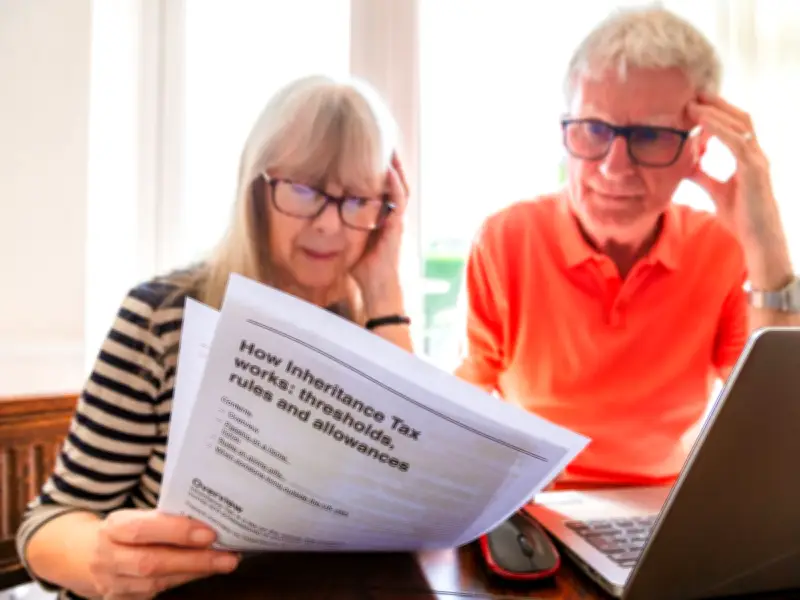
Receiving an inheritance can be an emotionally challenging time following the death of a loved one, and making clear financial decisions can be difficult because of it. The first thing finance experts warn people to do is avoid making immediate decisions, and take time before assessing your circumstances. It is essential you plan carefully as it can help you make the most of the assets you have received.
Take Time Before Making Major Decisions
One of the most important things to do after receiving an inheritance is to avoid rushing into major purchases or investments. Large sums of money can create pressure to act quickly, but thoughtful decision-making usually leads to better outcomes. Consider placing the funds in a secure account while you evaluate your options and develop a long-term plan.
Pay Off High-Interest Debt
If you have outstanding debts, particularly those with high interest rates such as credit cards or personal loans, using part of the inheritance to reduce or eliminate these obligations can be beneficial. Paying off expensive debt can improve your financial stability and free up future income for savings and investments.
How Does Inheritance Tax Work?
Inheritance tax is a 40% tax levied on the part of an estate (money, property, and possessions) that exceeds the tax-free allowance when someone dies. However, because of generous thresholds, exemptions, and reliefs, only a small percentage of estates are liable to pay it. Every individual receives a standard tax-free allowance, known as the 'nil-rate band':
- Standard Allowance: The first £325,000 of your estate is completely tax-free.
- Residence Nil-Rate Band: If you pass your primary home to your direct descendants (children or grandchildren), your tax-free allowance increases by up to £175,000, making your total allowance £500,000.
- Transferable Allowance: If you are married or in a civil partnership and do not use your full allowance when you die, the unused percentage passes to your surviving partner. This means a married couple can leave up to £1 million tax-free.
How Is Inheritance Tax Changing?
From 6 April 2027, unused pension savings will be brought into the scope of inheritance tax for the first time, meaning they will be added to everything else a person owns, their home, savings and investments, when working out how much inheritance tax is owed on their estate. Inheritance tax is charged at 40% on the value of an estate above certain thresholds. The standard threshold is £325,000, rising to up to £500,000 where a home is passed to children or grandchildren, though this is subject to conditions and tapering rules depending on the size of the estate. Anything above the available thresholds gets taxed at 40% and from April 2027 the pension pot is part of that calculation.
HMRC modelling suggests around 10,500 estates will fall into inheritance tax for the first time as a result, with a further 38,500 estates already paying inheritance tax facing higher bills averaging £34,000. For those affected, money that was once expected to pass to children and grandchildren largely untouched could now face a significant tax charge before it arrives.
It is also worth knowing that pension savings can be subject to both inheritance tax and income tax in certain circumstances. When a beneficiary withdraws inherited pension money they pay income tax on top at their normal rate, which means the combined tax burden could be considerable depending on individual circumstances and withdrawal strategy. The State Pension is not affected by any of this. It simply stops when someone dies. The change is specifically about private and workplace pension savings. Anything left to a surviving spouse or civil partner is also still exempt from inheritance tax.
What Should You Do About the Changes?
The first step is getting a clear picture of what an estate is actually worth, adding up pension savings alongside property, investments and other assets to see whether the total is likely to exceed the available thresholds. Reviewing who is named as beneficiary on pension schemes is also worth doing to make sure those details still reflect current wishes.
Beyond that, there are several approaches worth considering. Gifting money to family members during a person's lifetime is one option. Gifts made more than seven years before death are generally exempt from inheritance tax, and even gifts made between three and seven years before death may benefit from taper relief which reduces the tax owed on a sliding scale. Trusts can also play a role in estate planning for some people, though the rules around them are complex and the tax implications depend heavily on individual circumstances, so professional advice is worth seeking before going down that route.
A spokesperson for insurance experts Life Pro said: "Early planning is genuinely one of the most important things people can do when it comes to passing on what they have worked hard for. Taking the time now to understand the full picture of what you own, including pension savings, property and investments, and then exploring what arrangements make sense for your situation is far better than leaving it until the rules have already changed. There are a range of options worth looking into, from reviewing beneficiary nominations and gifting strategies to trusts and life insurance policies written in trust, which can help ensure an inheritance tax bill does not come as a shock to the people left behind. What works will be different for everyone, but the earlier you start looking into it the more choices you are likely to have."