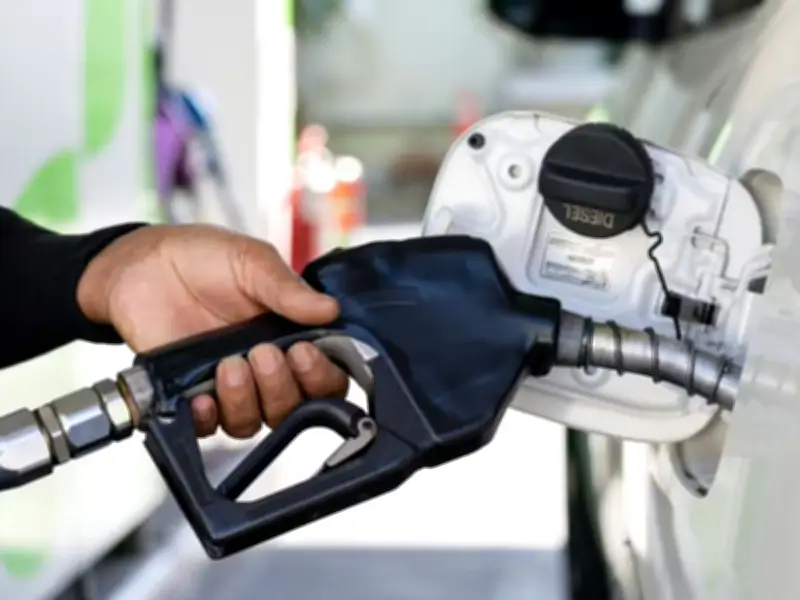
UK drivers are enjoying significant savings at the pump, with diesel motorists saving £9.50 every time they fill up and unleaded petrol drivers pocketing £3 per tank. The update comes as the RAC confirms falling bills at the forecourt for road users.
RAC Reports Falling Fuel Prices
RAC head of policy Simon Williams said: "The average price of petrol has now fallen nearly 5p a litre since its conflict high of 159.53p on 28 May to 154.72p on Thursday, saving almost £3 a tank. Unleaded hasn't been this price since early April."
"The diesel drop has been even more dramatic, having come down by 17p a litre from 191.54p on April 15 to 174.3p, which means drivers are saving £9.50 every time they fill up. The last time the UK average price of diesel was under 175p was on March 24."
Oil Prices Under $80 Boost Outlook
Williams added: "Even more positively, the rate of reduction ought to accelerate as the price of a barrel of oil has been under $80 for the last two days – something we haven't seen since the start of March."
Drivers can now expect to see the average pump price of petrol drop below 150p in the next week or so, while diesel should drop back under 170p. "If Brent crude stays at this level or reduces further, the longer-term picture at the pumps should get even better," Williams said.
Middle East Crisis Impact
The Middle East crisis sent global oil prices soaring as the conflict effectively closed one of the world's key water transport routes for oil, liquid natural gas and other essential commodities, limiting global supplies.
"Let the oil flow!" US President Donald Trump said in a social media post heralding the agreement, which he said would include the reopening of the strait to commercial shipping. "Ships are starting to move," Trump declared later, "loaded up with oil, out of the Strait of Hormuz" which he said was "totally safe, secure and pristine".
Economic Analysis
Neil Shearing, group chief economist for Capital Economics, said it remained to be seen whether the latest deal "represents a fragile truce or a durable settlement". He added that it was likely it will "take some time for oil flows through the Strait to return to pre-war levels".
"Even if ships now have safe passage, tankers are in the wrong place, oil production/refining facilities need to get up to full capacity, and questions over the cost and availability of insurance for ships traversing the Strait will remain," he said.