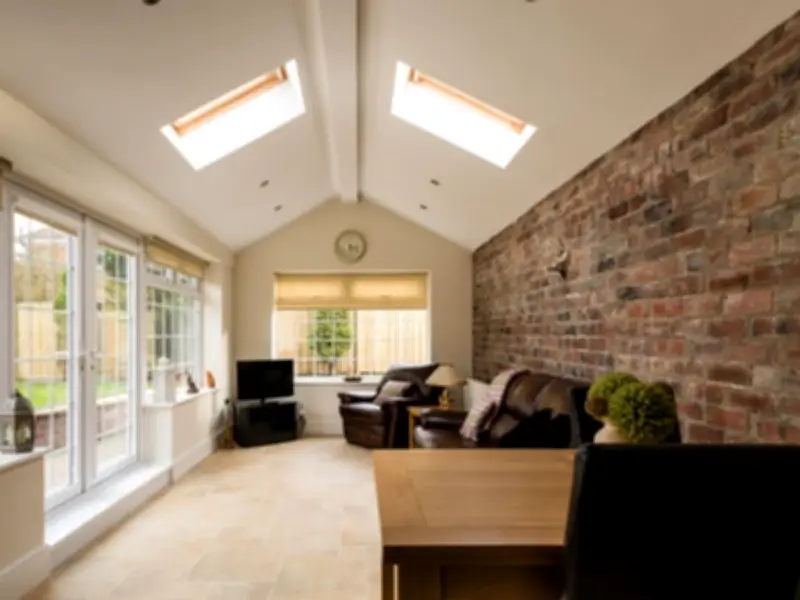
A 1990s conservatory could reduce a property's asking price by nearly £16,000, according to lettings agent eXp. The research shows that this once-popular home feature is now seen as a liability by many buyers, who worry about poor energy efficiency and the cost of upgrading or removing it.
Based on the current average UK house price of £271,295, eXp estimates that a dated conservatory can knock approximately 5.8% off a home's value. That equates to around £15,735 — a significant sum for sellers hoping to maximise their return.
Why Buyers Are Turning Away from Conservatories
Many buyers are concerned that older conservatories are too hot in summer and too cold in winter, making them uncomfortable and expensive to run. The fear is that a dated conservatory will require immediate investment to bring it up to modern standards, whether through re-roofing, installing better glazing, or replacing the structure entirely.
Adam Day, head of eXp UK and Europe, explained: “Conservatories have become a bit of a mixed bag when it comes to adding value. Years ago they were seen as a real selling point, but buyer expectations have changed considerably.”
The Changing Taste of Modern Homebuyers
Day noted that tastes have evolved significantly since the 1990s. “Buyers now favour open-plan extensions, garden rooms and more energy-efficient additions that can be used comfortably throughout the year,” he said. This shift in preference means that a conservatory that might once have been a differentiator is now often viewed as an outdated liability.
The message for sellers is clear: if your home has a conservatory, its condition and quality matter a great deal. A modern, well-insulated conservatory could still add value, but an old, poorly built one may put buyers off.
Roofing Materials: Glass vs Polycarbonate
One of the key factors that influence a conservatory's energy efficiency is the roofing material. Glass is generally considered the superior choice, even though it is more expensive than polycarbonate. Glass provides much better insulation, helping to keep the conservatory cool in summer and warm in winter, and it also looks more sophisticated.
However, Rightmove suggests that polycarbonate should not be ruled out entirely. For those on a tighter budget, polycarbonate still allows plenty of natural light, though a portable heater may be needed for the colder months. This trade-off between cost and comfort is something sellers and buyers should weigh carefully.
Building Regulations: Conservatory or Extension?
Homeowners considering re-roofing a conservatory should be aware of the distinction between a conservatory and an extension for building regulation purposes. For a re-roofed conservatory to remain classified as a conservatory, it must be separated from the main house with good-quality external walls, windows and doors that meet building regulations. It also needs to have an independent heating system.
If these conditions are not met, the structure may be reclassified as an extension, which could have implications for planning permission, building control, and even property taxation. Sellers and renovators should therefore check the rules carefully before starting work.
The Bottom Line for Sellers
Ultimately, the value of a conservatory depends on how well it meets modern expectations. As Adam Day put it: “Buyers aren't judging whether a home has a conservatory or an extension – they're judging whether the space is attractive, practical, energy efficient, and adds genuine value to the way they want to live.”
For anyone selling a home with a 1990s conservatory, the advice is to consider upgrading its energy efficiency before listing, or be prepared for offers that reflect the cost of future work. With the average price impact exceeding £15,000, ignoring the issue could be a costly mistake.