The Black Country city may have a gritty reputation, but Rightmove's latest commuter analysis reveals a different side. Wolverhampton has been named one of the top five places for Birmingham workers to live, and crucially, it's the only location on the list where average house prices are lower than the city they commute to.
For families priced out of Birmingham's more desirable neighbourhoods, Wolverhampton offers a pragmatic alternative. With an average asking price of £229,094, it undercuts Birmingham's £245,613 mean, making it an attractive entry point for first-time buyers and those looking to upsize.
Where Wolverhampton ranks among commuter towns
Rightmove's study evaluated 20 towns and cities within a reasonable commute of Birmingham, looking at house prices, journey times and train frequency. The top five were Leamington Spa, Warwick, Rugby, Solihull and Wolverhampton.
While Leamington Spa, with its elegant terraces and strong schools, may be the dream for some, its average property price is significantly higher. The same goes for Warwick and Solihull, where high demand drives prices up. Wolverhampton, by contrast, offers a more realistic route onto the property ladder.
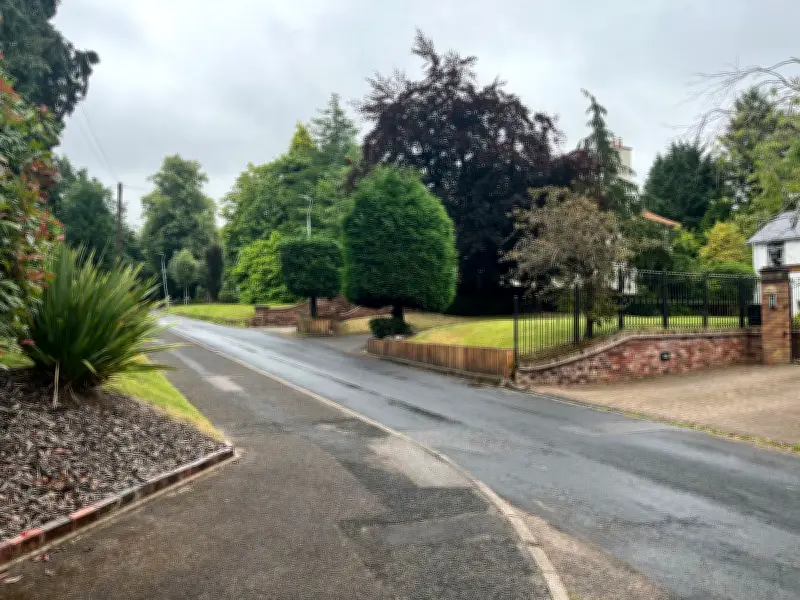
This is where bargains may be found when it comes to properties. The city's western edge, including sought-after Tettenhall and Wightwick, provides an affluent setting without the premium price tag of the region's pricier towns.
Transport links that keep commuters moving
Wolverhampton's connectivity is a major asset. The city station provides around six services per hour into Birmingham New Street, with a typical journey time of just 17 minutes. That frequency outperforms most other commuter towns, which typically offer two to three trains per hour.
For those who drive, the M6 motorway runs directly past the city, providing a straightforward route into Birmingham and beyond. This combination of rail and road options makes Wolverhampton a practical base for professionals.
More than an industrial past
It's true that Wolverhampton carries an industrial, urban reputation, and parts of it are rough around the edges, as with any largely working-class area. But that view is incomplete. The western edge of the city is distinctly more affluent, with sought-after suburbs like Tettenhall and Wightwick offering substantial homes and green surroundings.
These areas are particularly appealing to families who want space and a sense of community. Beyond the suburbs lie the open countryside of Staffordshire and Shropshire, perfect for weekend walks and a break from city life. This proximity to nature, combined with affordable housing, is exactly why many buyers are turning their attention here.
What the Rightmove data shows
A spokesperson for Rightmove explained that commute times are a major factor in the region, but prices tell a compelling story. "Solihull offers an extremely fast 10-minute journey into Birmingham Moor Street, while Wolverhampton reaches New Street in around 17 minutes," they said. "Leamington Spa and Warwick provide slightly longer commutes of 25 to 30 minutes."
The spokesperson also noted that train frequency is consistent, with most towns offering around two to three services per hour, but "Wolverhampton stands out with around six per hour."
On pricing, they said: "Prices reflect the strength of these markets, with Solihull (£423,377) and Warwick (£374,555) sitting at the higher end. Only Wolverhampton (£229,094) was priced lower than the Birmingham average (£245,613), suggesting that lifestyle factors are a key driver of demand for Birmingham’s surrounding towns, as with Manchester."
A quiet revaluation
Wolverhampton is not without its challenges, but the housing market is quietly redefining its image. The combination of below-average prices, excellent transport links and access to countryside makes it an underrated option in a region where affordability is increasingly stretched.
For those willing to look beyond the industrial stereotype, the rewards are clear. Whether it's a period property in Tettenhall, a modern family home near the station, or a bargain that allows for renovation, Wolverhampton offers something that is becoming rare in the West Midlands: value for money.
As more families discover this, the city's place on the commuter map seems set to strengthen.