UK Government Moves to Mandate AI Content Labeling in Deepfake Crackdown
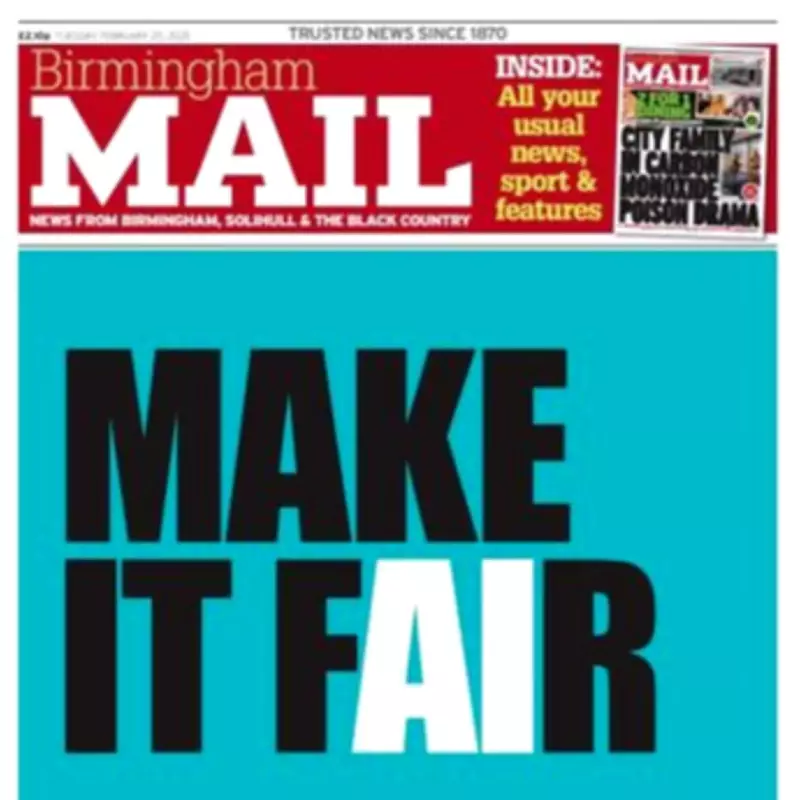
The United Kingdom is poised to introduce mandatory labeling for artificial intelligence-generated content as a key strategy in the fight against disinformation and deepfakes. This significant policy shift follows a concerted campaign by news publishers across the nation, including BirminghamLive and the Birmingham Mail, advocating for fairer AI regulations.
Taskforce to Develop Labeling Proposals
Technology Secretary Liz Kendall has revealed that a dedicated taskforce will be established to recommend the most effective approaches for labeling AI-generated material. In a written statement, Kendall emphasized the importance of transparency, stating: "It can be helpful to consumers to understand whether content has been made using AI. It may also help protect against disinformation and harmful deepfakes."
The taskforce is expected to deliver an interim report in autumn 2026, with full proposals to follow. This initiative marks a departure from previous government considerations that included potential copyright law exemptions for AI training purposes.
Current Landscape and International Context
Presently, the United Kingdom has no legal requirement for AI content labeling, though numerous services already employ labeling technologies voluntarily. According to recently published reports and impact assessments on copyright and AI, multiple countries have already implemented their own labeling regulations, creating an international precedent the UK appears ready to follow.
Broader Creative Industry Protections
Alongside the labeling initiative, the government announced additional measures to protect creators. A summer consultation will address digital replicas, where individuals' likenesses are reproduced without consent. Furthermore, an examination into how creators can manage their works online will be released, with consideration given to potential government intervention.
A working group specifically for independent creatives will also be established. These moves come after the government abandoned its previously favored approach of copyright exemptions for AI training, which Kendall acknowledged was "overwhelmingly rejected by the vast majority of the creative industries."
Copyright Law Reforms Delayed
The government's report indicates that while there may be room to amend copyright legislation in the future, any reforms must ensure rights holders receive fair compensation and have safeguards against unlawful exploitation of their work. The report states clearly: "We will not introduce reforms to copyright law until we are confident that they will meet our objectives for the economy and UK citizens."
Local Journalism Perspective
Birmingham Mail editor Graeme Brown welcomed the government's shift in position, noting: "AI is never going to knock on a door in Moseley. It is not going to make contacts in Dudley or sit through council meetings in Solihull. AI is coming and it is going to change lots of things but we should protect journalism - so I am pleased there seems to have been movement here."
The proposed labeling requirements represent a significant step toward greater transparency in digital content creation, potentially setting a new standard for how AI-generated material is identified and regulated in the United Kingdom and beyond.