Birmingham Bin Strike Enters Second Year with No Resolution in Sight
The ongoing industrial action by Birmingham's bin workers has now stretched into a second year, with union representatives and striking employees pledging to continue their protest 'for as long as it takes' to achieve a satisfactory resolution. The dispute, which began over the removal of the Waste Recycling and Collection Officer role, has become one of the city's most protracted industrial conflicts in recent memory.
'Enough is Enough' Rally Highlights Growing Frustration
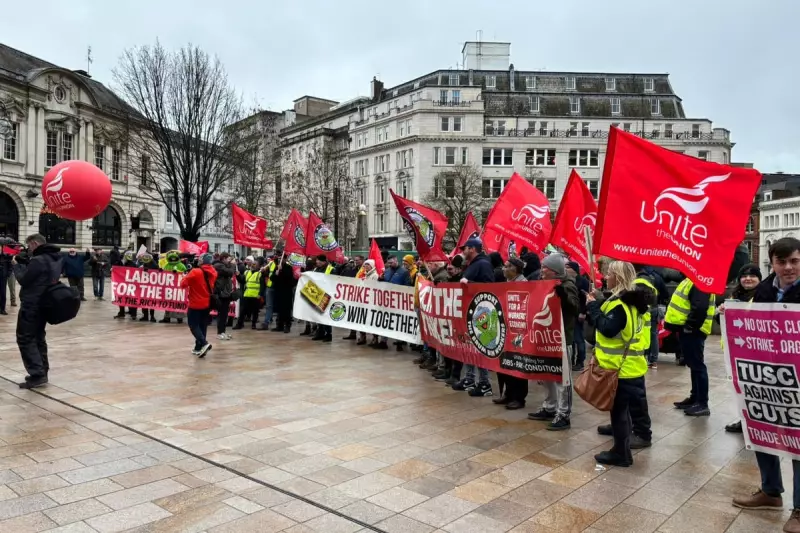
On a bleak Tuesday afternoon, striking workers, Unite union members, and community activists gathered outside Birmingham Council House for what was described as an 'enough is enough' rally. The demonstration featured chants of 'clean our city' and saw speakers directly criticise both the council's leadership and the government-appointed commissioners overseeing the authority's financial recovery.
Claire Peden, a Unite team leader and organiser, told reporters at the rally that members were 'prepared to stay out as long as it takes'. The 42-year-old organiser pointed to upcoming local elections in May, suggesting the ongoing dispute could significantly impact Labour councillors' chances of re-election. 'I think the council should take a little bit of notice here as it's passing the stage of no return for Labour in this city,' she warned.

Financial Dispute and Equal Pay Concerns at Heart of Conflict
The core of the disagreement centres on financial arrangements and equal pay concerns. Unite and striking workers claim they face a potential pay cut of approximately £8,000, though Birmingham City Council has disputed this figure. According to union representatives, a 'ballpark' deal was agreed upon last year following extensive discussions, but this arrangement reportedly failed to gain approval from the commissioners overseeing the council's finances.
Michael Agboh-Davison, another Unite organiser, emphasised the union's openness with residents about the situation. 'We've been quite open with residents,' the 49-year-old stated. 'Obviously residents are frustrated with [the situation] but it's the workers that are getting out and putting their case to the public face-to-face. We're not seeing the same level of openness from the council.'
Workers Describe Personal Impact of Protracted Dispute
Striking workers shared personal accounts of how the ongoing industrial action has affected their lives. Agency worker Luke, who joined the strike in mid-November, described his street as 'absolutely filthy' and revealed he now uses a litter picker to clean up loose rubbish. 'I'm sticking it out to the end 100 per cent,' he declared. 'We can't just give up now, otherwise this whole year has been wasted for nothing.'
Bin worker Steve explained how the downgrading of his position has created financial difficulties for his family. 'It's what activities I can do – any days out, any holidays,' he said. 'We didn't have a holiday last year because of the strike action. I want to be at work, I enjoy it when I am at work – the decision I've had to take affects me financially.'
Council Leadership Maintains Firm Position on Negotiation Parameters
Council leader John Cotton addressed the situation during a meeting, emphasising that any resolution must avoid reopening the council's equal pay liabilities while delivering a modern waste service. 'Those points are non-negotiable – we are not going to repeat the mistakes of the past,' Cotton stated. 'We are open to dialogue to find a solution. However, those points have to be non-negotiable – it would not be in the best interests of the taxpayers of this city if we were to do anything else.'
Joanne Roney, Birmingham Council's managing director, highlighted the complexity of finding a resolution that satisfies all parties while addressing financial constraints. 'It is incredibly difficult to find a way through these various hurdles,' she acknowledged during a recent meeting. 'Nobody is blaming the workers for this situation – this is a failure of Birmingham City Council for many years to not address its equal pay issues.'

Roney described the current positions of the council and Unite as 'miles apart', indicating significant challenges remain in bridging the gap between the two sides. The council maintains it has reached 'the absolute limit of what we can offer' due to equal pay concerns and financial pressures, while union representatives insist they cannot accept what they describe as a significantly reduced offer compared to previous discussions.
As the dispute enters its second year with no immediate resolution in sight, both sides appear entrenched in their positions, leaving Birmingham residents facing continued disruption to waste collection services and uncertainty about when normal service might resume.