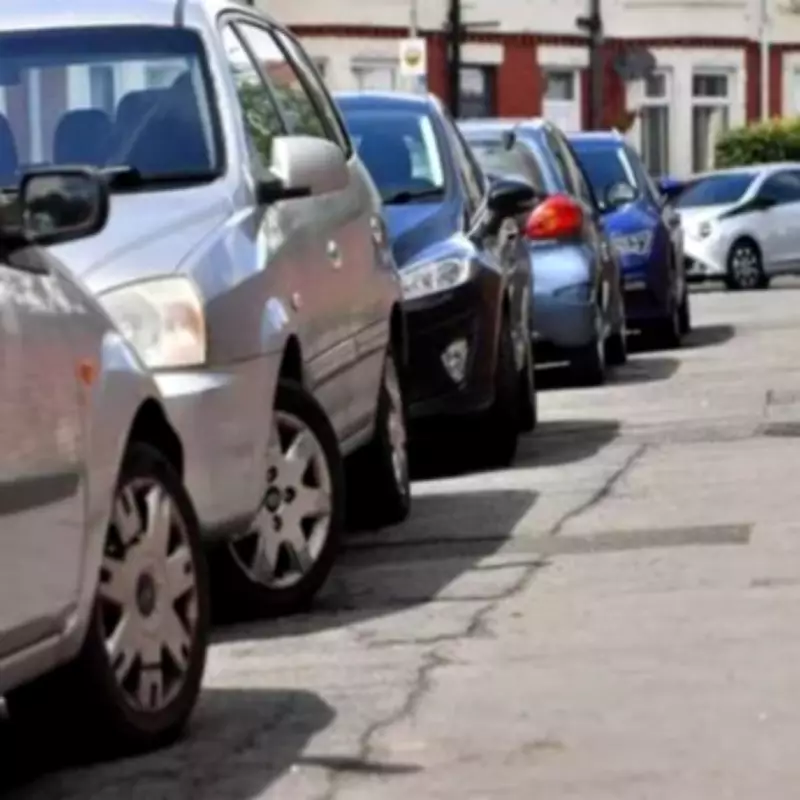
Major new parking rules are set to be introduced across England, with motorists facing fines for parking on pavements. The measures follow years of campaigning by pedestrian safety advocates and are designed to improve accessibility for all road users.
New Parking Regulations
Under the new rules, drivers will be prohibited from parking on pavements, a practice that has long been a source of frustration for pedestrians, particularly those with mobility aids or pushchairs. The ban is not a blanket nationwide restriction; instead, individual councils must apply for the powers to enforce it. This has led to concerns about a postcode lottery, where the rules may vary from one area to another.
Birmingham Leads the Way
Birmingham City Council has confirmed it will roll out the new rules, focusing on specific roads rather than implementing a city-wide ban. The enforcement will likely target the city centre, main roads, and known hotspot areas where pavement parking is most problematic. Councillor Majid Mahmood, Birmingham's roads boss, stated: "These powers will help us make our pavements safer, more accessible and more inclusive for everyone who relies on them. Inconsiderate and illegal pavement parking creates barriers to walking and cycling and for those who need mobility aids, and can contribute to road collisions."

Fines and Enforcement
Rule-breakers could face fines of up to £70, based on existing council parking penalty charge notices (PCNs). Enforcement is expected to be similar to that for double yellow lines, with traffic wardens patrolling areas of concern. The new measures are anticipated to come into force later this year, though the exact timeline will vary by council.
Campaign Success
The ban is the result of years of campaigning by disability rights groups and pedestrian safety organizations, who have long argued that pavement parking endangers vulnerable road users. Successive governments had delayed a decision, but ministers have now opted to leave enforcement to local authorities rather than imposing a blanket ban. This approach aims to give councils flexibility to address local issues while maintaining safety standards.
Drivers are urged to familiarize themselves with the new rules as they are implemented in their area to avoid fines and contribute to safer streets for everyone.