West Midlands Police Stop and Search Disparities Persist for Ethnic Minorities
Newly released figures from West Midlands Police confirm that black and ethnic minority individuals continue to be disproportionately targeted for stop and search operations. The annual report from Police and Crime Commissioner Simon Foster reveals concerning statistical disparities that will be formally discussed at the upcoming West Midlands Police and Crime Panel meeting scheduled for February 2.
Significant Statistical Disparities Revealed
The comprehensive data analysis shows that black people are three times more likely to be stopped and searched compared to white individuals within the West Midlands region. Furthermore, those from broader ethnic minority backgrounds face a 1.8 times greater likelihood of being subjected to these police powers than their white counterparts.
During the 2024/25 reporting period, West Midlands Police conducted a total of 26,622 stop and search incidents. The force has implemented significant technological improvements, with body worn video equipment now being deployed in an impressive 98 percent of all stop and search encounters.

Use of Force Statistics and Policy Changes
Police officers employed use of force powers on 48,203 separate occasions throughout the same reporting year. Body worn video compliance for these incidents has shown steady improvement, reaching 92 percent in 2024/25 compared to 87 percent during the previous assessment period.
The report highlights several important policy developments implemented by West Midlands Police. In December 2024, the force significantly extended its retention period for body worn video footage from stop and search and use of force incidents. The new policy requires that this evidentiary material be preserved for twelve months rather than the previous standard of just twelve weeks, representing a substantial commitment to enhanced transparency and improved governance practices.
Outcome Rates and Feedback Mechanisms
The positive outcome rate for stop and search operations, which measures how frequently illegal items are discovered during these encounters, has remained relatively stable at approximately 30 percent. This represents a marginal increase from the 29 percent rate recorded during the previous assessment year.
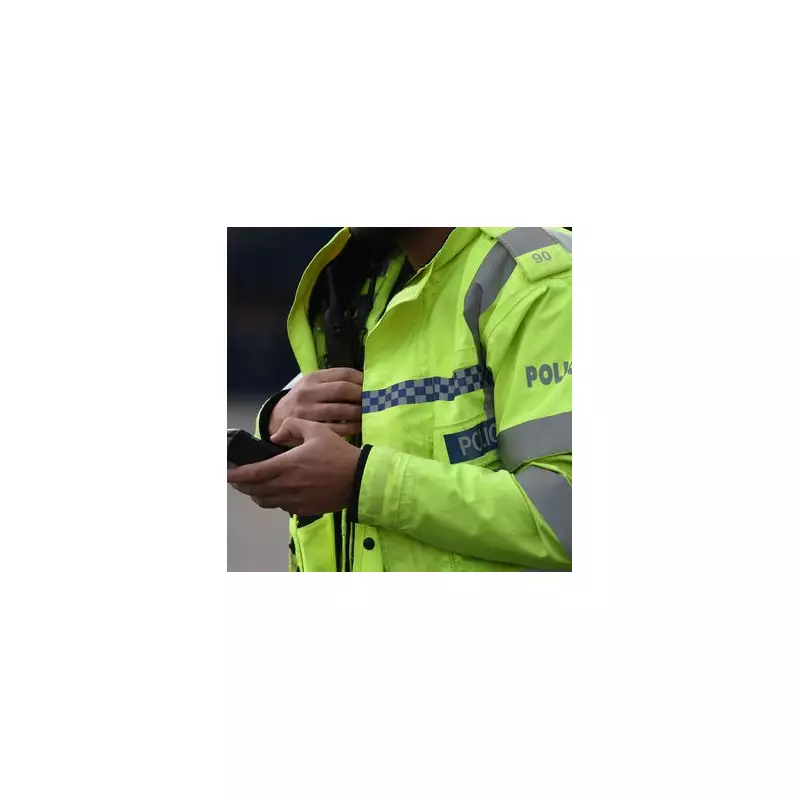
West Midlands Police has introduced innovative feedback mechanisms to improve community relations and officer accountability. Officers now carry unique QR codes that individuals subjected to stop and search procedures can scan using their mobile devices. This system allows members of the public to provide immediate feedback regarding their treatment during police interactions and their understanding of why the stop occurred.
Currently, approximately two percent of all individuals stopped and searched utilise this digital feedback system. The force has established offering these QR codes as standard policy where applicable and continues efforts to raise public awareness about this feedback opportunity to encourage greater participation from community members.
Comparative Analysis of Use of Force Incidents
The patterns of disproportionality differ somewhat when examining use of force incidents separately from stop and search data. For use of force encounters, Asian individuals are actually 0.8 times less likely to be subjected to police force compared to white individuals. However, black individuals remain disproportionately affected, being 1.9 times more likely to experience use of force than white people during police interactions.
The Police and Crime Commissioner's report emphasises the ongoing commitment to monitoring these disparities while implementing technological solutions and policy changes designed to increase transparency and improve community trust in policing practices across the West Midlands region.