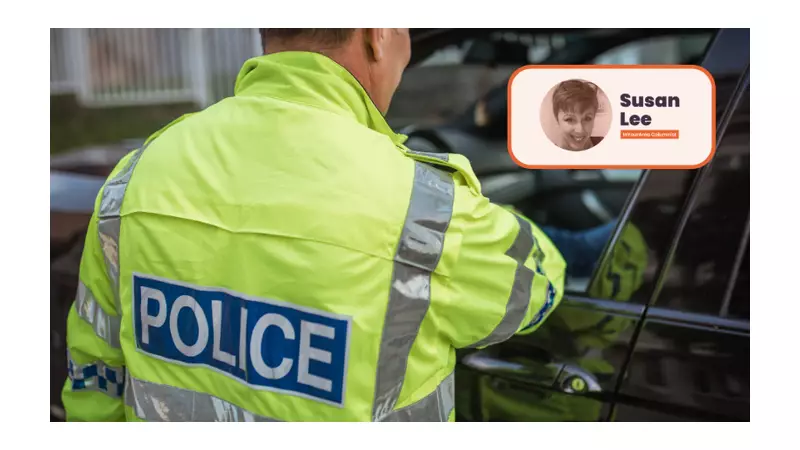
Returning home from a Christmas shopping trip, a sudden flash of blue police lights in the rear-view mirror triggered a familiar wave of anxiety. For journalist Susan Lee, this routine journey took an unexpected turn when it became clear the officers intended to pull her over.
The Reason for the Stop: Excessive Caution
The encounter was polite and professional. The officers checked her licence and inquired if she had consumed any alcohol that evening. The reason for the stop, however, was not speeding or a faulty light. She had been driving suspiciously slowly on a road with a 50mph limit, travelling at barely 30mph, with questionable lane control.
Lee explained the conditions: a dark, twisty country lane with a history of accidents, heavy rain, and the blinding glare of oncoming headlights. She hadn't realised her cautious pace. After a discussion about maintaining lane position, the officers wished her well and followed to ensure she rejoined her route safely.

A Critical Police Duty: Prevention Over Reaction
The incident prompted mixed reactions from friends and family, some questioning whether police had 'better things to do'. Lee argues emphatically that they do not. Keeping people safe on roads is a fundamental and critical police duty, particularly during the festive period when Christmas parties are in full swing.
Her driving pattern that night was unusual and therefore warranted investigation. Had she been drink-driving, the stop could have prevented a potential tragedy. The officers were firm, friendly, and efficient in exercising their duty of care to all road users.
A Personal Shift in Driving Habits
The experience led Lee to reflect on her general driving behaviour. Residing in an area with widespread 20mph zones and driving a new car that beeps a warning when the speed limit is exceeded, she has unconsciously adapted. This built-in safety feature, while sometimes annoying, is effective.
Perhaps, she muses, after years of a heavier foot and accrued speeding tickets, she has simply become a slower, more considerate driver. If this new style prompts more roadside checks, she is accepting of the minor delay. The trade-off—fewer fatalities on UK roads—is invaluable. As the old adage goes, better late than never.
In a lighter postscript, Lee also recounts her brief, triumphant foray into Christmas wreath-making, a craft victory sadly undone when her creation lasted only 20 minutes on the front door before meeting a messy end.