Stalker's Campaign of Harassment Nearly Forces Birmingham Tattoo Parlor to Close
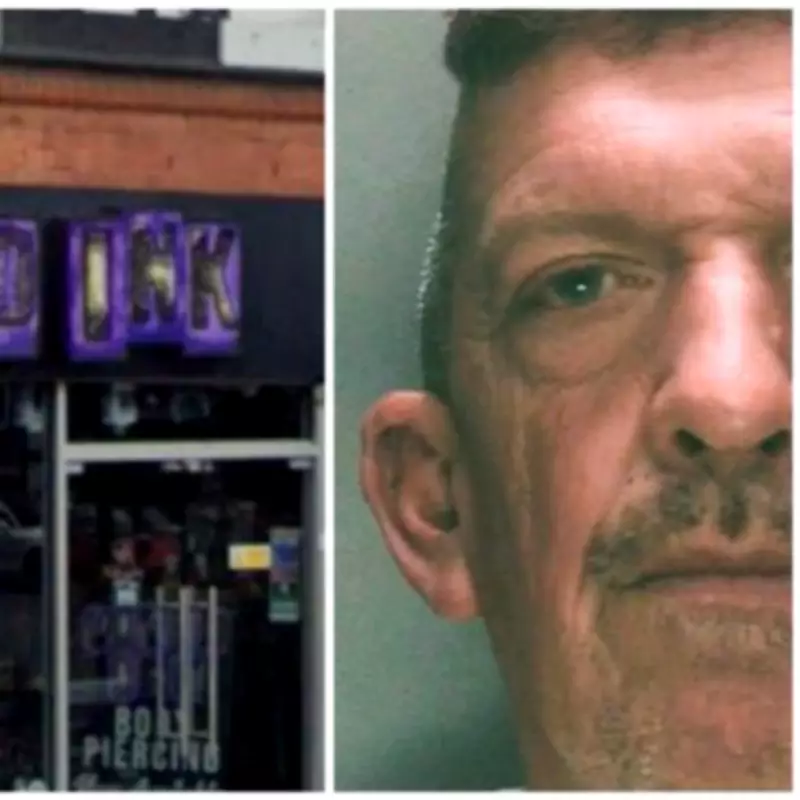
A disturbing case of stalking nearly forced a popular Birmingham tattoo shop to abandon its Moseley location after a rejected customer launched a sustained campaign of harassment against staff members. Matthew Whitehouse, aged 47, created such a climate of fear that the manager of Vivid Ink seriously considered relocating the business entirely.
From Romantic Interest to Dangerous Obsession
The troubling situation began when Whitehouse developed what prosecutors described as a "fixation" with one of the tattoo artists after attending two appointments at the shop. His inappropriate advances were firmly rejected when he asked the artist for a drink and began appearing at unscheduled times. The situation escalated dramatically when the shop refused further appointments due to outstanding payments.
"That seemed to put him on edge," explained prosecutor Stefan Kolodynski during court proceedings. "He left a large pile of rubbish outside the front door with a note and some roses saying: 'Please turn over, goodbye (artist's name), I am never going to see you again. Goodbye. Love Matt.'"

A Torrent of Abuse and Threats
Rather than ending his pursuit, Whitehouse intensified his campaign with what the court heard described as a "torrent" of abusive emails and phone calls. His communications took a particularly sinister turn when he began branding two female tattoo artists as "prostitutes" while claiming one had "flirted with and manipulated him."
The harassment included chilling threats that he would "annihilate" the staff and warnings that he would "bankrupt them" and they would "all be history quickly." Even after police intervention and arrest, Whitehouse continued his campaign, calling the shop and breathing heavily down the phone in what staff described as particularly disturbing behavior.
Business Impact and Staff Trauma
The manager of Vivid Ink provided a victim impact statement detailing how the business was severely affected by Whitehouse's actions. "They considered relocating," Mr. Kolodynski told the court. "They've had to put a padlock on the front door which is unsatisfactory for customers. It doesn't present as a pleasant place to be."
Two female staff members targeted by Whitehouse were left feeling shaken and unsafe in their workplace, creating an environment where they no longer felt secure performing their duties. The psychological impact of sustained harassment created genuine concerns about workplace safety that extended beyond normal business disruptions.
Previous Criminal Behavior and Court Outcome
Whitehouse's harassment of the tattoo shop occurred just weeks after he committed a serious arson attack at The Station pub in Henley-in-Arden on June 26 last year. CCTV footage captured him at the premises where he caused approximately £27,000 worth of damage, destroying three custom-built seating booths, chairs, tables, an outdoor sofa, and electrical systems.
During the firefighting efforts, Whitehouse returned to the scene and was overheard saying "the land was common land and it shouldn't have been built on. Anybody has a right to set it on fire." When arrested, he repeated this justification, claiming he was "protecting people from injury."
Mental Health Considerations and Sentencing
Defense lawyer Katie Goodman described Whitehouse's actions as a "stream of mania" and explained to Birmingham Crown Court that her client suffered from bipolar disorder but was not properly medicated at the time of the offenses. "He offers genuine remorse," she stated. "He has not had an easy start in life. He has not had an easy time in prison (on remand). He's been assaulted by another inmate."

Whitehouse, who previously lived at the George & Pilgrims Inn in Glastonbury, Somerset, and was arrested from The Elizabeth of York Wetherspoon's pub in Moseley, pleaded guilty to arson and three counts of stalking. Despite his mental health challenges, Judge Andrew Lockhart noted that Whitehouse was able to make "rational decisions" and "exercise appropriate judgement" at times during his campaign of harassment.
"You were plainly able to understand the nature and consequences of your actions," Judge Lockhart told the defendant during sentencing on March 6. "Your behaviour does seem to improve when your mental health is better."
The 47-year-old was sentenced to two-and-a-half years in prison and received a banning order preventing him from entering the area surrounding Vivid Ink in Moseley. The court heard that Whitehouse had previously committed 40 offenses and was now engaging with support services while in custody.