New Exhibition Reveals the People Behind Constable's Artistic Legacy in Ipswich
John Constable (1776–1837), one of Britain's most revered landscape artists, has left an indelible mark on the Suffolk and Essex countryside, now famously known as Constable Country. But how did the son of a merchant ascend to such artistic heights? As part of the 250-year celebrations of Constable's birth, Colchester and Ipswich Museums (CIMS) have launched a groundbreaking exhibition at Christchurch Mansion in Ipswich, funded by The National Lottery Heritage Fund. Titled Constable: A Cast of Characters, this showcase delves into the lives of the individuals who supported and influenced Constable, offering a fresh perspective on his enduring legacy.
Immersive Experience and Rare Artifacts
The exhibition invites visitors to step into Regency-era Ipswich as Constable would have experienced it. Through photographic re-enactments, period fashion, costumes, uniforms, and a recreation of the Constable family parlour complete with letters, attendees will be fully immersed in the historical details of the time. Over 100 works and objects are on display, including portraits, sketches, and landscapes by Constable and his contemporaries. Notable items from his personal life include his wife's wedding ring, an Onyx snuff box, a Royal Academy diploma, and his wooden paint box filled with pens, brushes, pigments, and gemstones.
Exploring Constable's Networks and Early Career
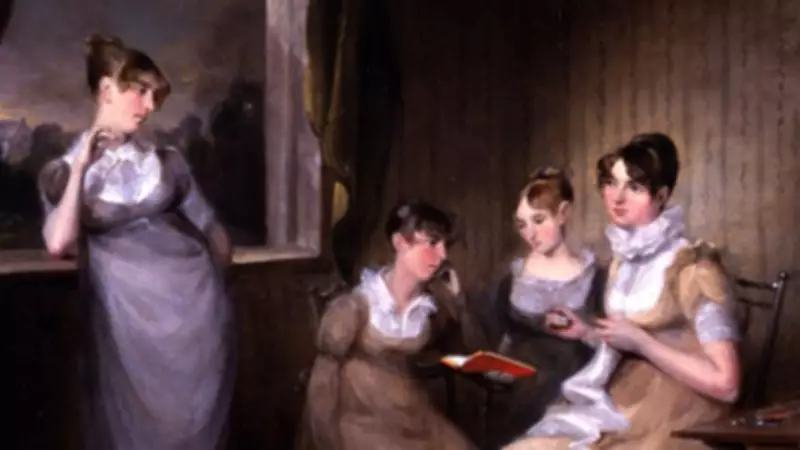
Despite his passion for landscape painting, Constable initially undertook commercial portrait commissions out of financial necessity. These works reveal his working methods and the personal networks that sustained him throughout his career. Highlights include a group portrait of the Cooper Sisters from a local farming family (circa 1803–6), a portrait of a seven-year-old daughter of a Major General and patron (1808–10), and depictions of supportive London neighbours Thomas and Emily Treslove. A recently discovered alteration to Mrs. Treslove's portrait from 1826, made to appear slimmer, adds a fascinating detail to his artistic process.
An 1808 portrait of his cousin Jane Anne Mason from Colchester, part of the Government Art Collection, is shown alongside a graphite sketch from a scrapbook, illustrating Constable's preferred method of beginning with gentle sketches before developing them into oil paintings. Early book illustrations for an Ipswich bookseller, including graveyard scenes for a book of epitaphs, underscore the town's importance at the start of his career.
Key Influences and Family Connections
Elizabeth Cobbold, a significant cultural figure in Ipswich, played a crucial role in nurturing the arts scene and helping Constable gain entry into the Royal Academy Schools. A portrait of Cobbold by an unknown artist is featured, alongside life drawings of male and female nudes from his time at the school, which honed his technique for capturing the fleeting light of East Anglian landscapes.
Family was central to Constable's life, and portraits of his parents, an encouraging uncle, and younger brother Abram, who managed the family business to support his artistic ambitions, are on display. After his mother's death, he painted Ann Constable's Flower Garden (1815) as an expression of grief, while tender drawings of his children, such as one of his daughter Maria holding the youngest child Lionel after their mother's death from tuberculosis, reveal his personal side. Family keepsakes, including embroidery by his then-unmarried wife Maria Bicknell and a sampler by his youngest daughter Emily, offer intimate glimpses into his world.
Artistic Mentors and Contemporary Contributions
The exhibition also features works by artists who influenced Constable, such as Thomas Gainsborough, whose paintings View near the Coast (circa 1750–55) and Holywells Park (circa 1748–50) are displayed. George Frost, an early mentor, is represented by The Common Quay, Ipswich (1820), showcasing scenes from their sketching trips along the Orwell. Two works by Constable's only studio assistant, John Dunthorne Jr., demonstrate his impact on those around him.
Adding a contemporary twist, new sculptures by internationally acclaimed artist Sasha Constable, a direct descendant, are included. These works, based on the family archive, feature a reimagined self-portrait in Portland stone, a response to The Cornfield addressing modern river health in Suffolk, and a specially designed Family Tree. A portrait by her son Valya Constable, displayed at the Royal Academy in 2021, further highlights the family's ongoing creative legacy.
Official Statements and Visitor Impact
Emma Roodhouse, Art Collections and Learning Curator at Colchester and Ipswich Museums, stated: "Marking this anniversary year, the exhibition opens up the wider world around Constable, his family, friends and supporters, revealing the social networks that shaped his artistic development, and connecting them with the contemporary through the work of Sasha Constable. We can't wait for visitors to discover unexpected moments and gain a richer, more expansive understanding of Constable's story and legacy."
Councillor Carole Jones, Ipswich Borough Council's Portfolio Holder for Planning and Museums, added: "Ipswich is incredibly proud to host what will be an unrivalled display of Constable's work, bringing together masterpieces—including The Hay Wain—and rarely seen treasures in his home county for the very first time. Thanks to the remarkable partnerships behind Constable 250, visitors will experience a once-in-a-lifetime gathering of world-class artworks that celebrates not only Constable's extraordinary influence and impact but the people and places at the very heart of his story."
This exhibition provides a unique opportunity to explore the human connections behind Constable's iconic works, deepening appreciation for one of Britain's most enduring artists.