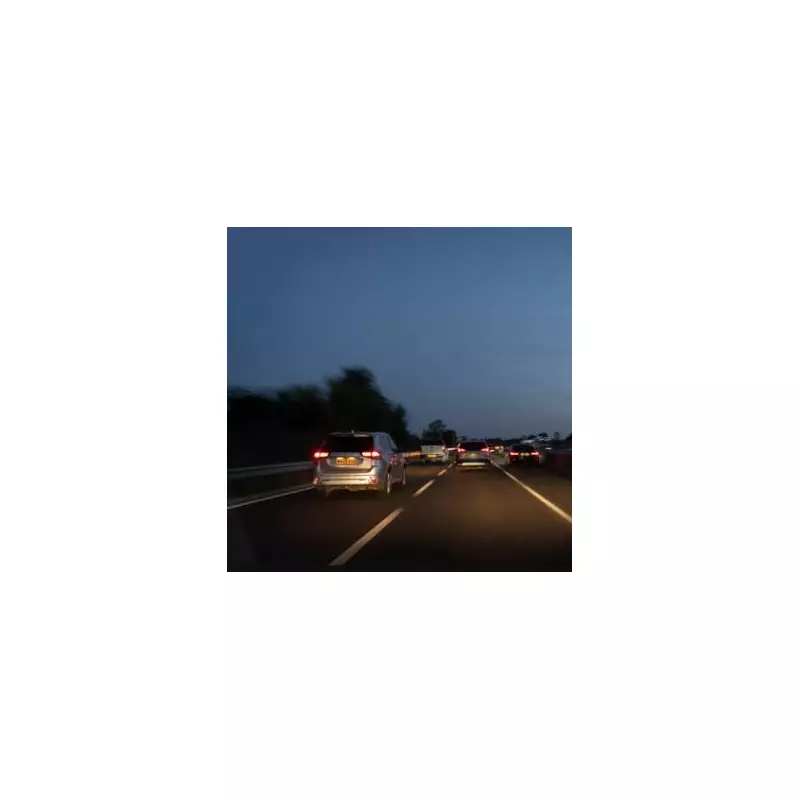
Motorists across the UK have been issued a stark 'danger hour' warning, with experts urging drivers to stay off the roads during specific high-risk periods, particularly late at night.
The Most Dangerous Times to Drive
Analysis of collision data reveals a clear pattern of risk. The overall most perilous period is between 11pm and 4am. However, the risk peaks at specific times depending on the day.
On Saturdays, the single most dangerous hour is between 2am and 3am. For Sundays, the peak risk shifts slightly to the hour from 3am to 4am. During weekdays, the periods from midnight to 1am and 11pm to midnight are among the most hazardous.

Quiet Roads Create a False Sense of Security
Rhydian Jones, a car insurance expert behind the analysis, explained the findings. "Road safety relies on more than just how many cars are on the road," he stated. "When we look at the risk-per-vehicle it's the late-night and early-morning hours that are proportionately the most dangerous."
He highlighted that visibility drops and driver fatigue sets in during these hours. Furthermore, roads that appear quiet can encourage riskier behaviour. "Quiet roads can give a false sense of safety. Our analysis shows the highest risk per vehicle happens after midnight," Jones added.
Contrast with the Safest Driving Times
In stark contrast to the late-night danger, the research also pinpointed the safest times to travel. Weekdays between 5am and 7am are significantly safer, with Wednesday from 5am to 6am crowned the absolute safest hour of the week.
For weekend driving, the safest window is between 9am and 10am on both Saturday and Sunday.
Festive Season and Driver Behaviour Warnings
The warning comes as the festive season approaches, a time when journeys often become longer, traffic heavier, and weather conditions more challenging. A spokesman for Confused.com emphasised the weekend risk, noting: "The after-midnight hours are significantly more dangerous on Saturdays and Sundays than during the week."
They cited darkness, fatigue, and the temptation of higher speeds on quieter roads as a lethal combination. Research indicates nearly a third of drivers admit to speeding when roads look empty.
Jones concluded with practical advice for motorists: "Understanding when collisions are more likely helps drivers make safer choices - and avoiding those high-risk hours can reduce the chances of an accident that could affect car insurance costs."