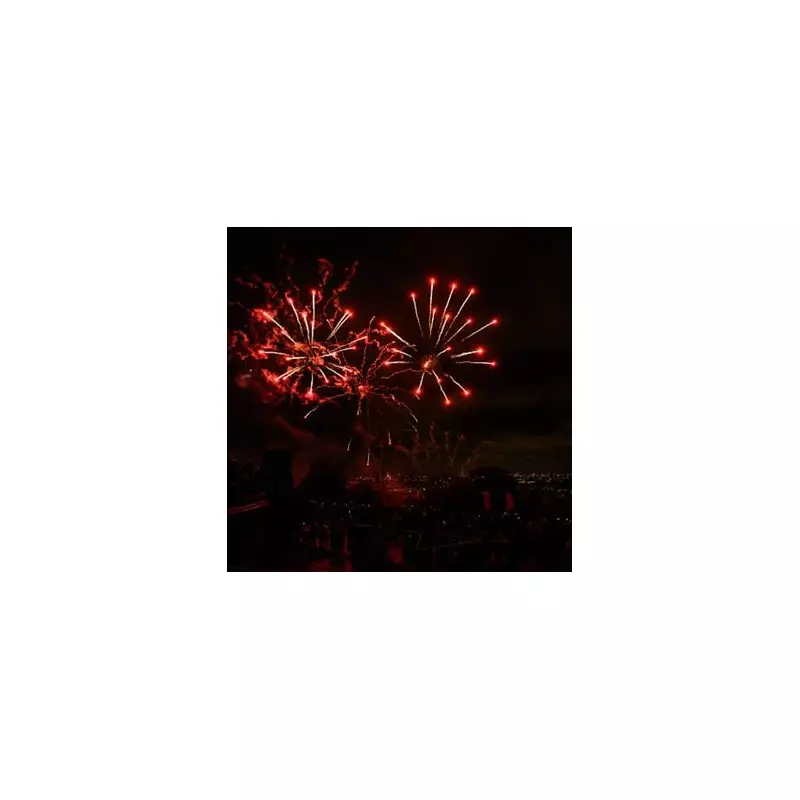
As New Year's Eve approaches, many across the UK are preparing to mark the occasion with celebratory fireworks displays. However, it is crucial for the public to be aware of the specific laws governing their use to ensure celebrations remain safe and legal.
Understanding the Nightly Curfew and Special Exceptions
In the United Kingdom, strict fireworks regulations exist to prevent harm, minimise distress, and control noise pollution. A core rule is the nightly curfew, which generally prohibits setting off fireworks between 11pm and 7am.
This curfew is extended for specific cultural and celebratory events. On New Year's Eve, the permitted time for fireworks is extended until 1am on January 1st. The same 1am cut-off applies for the festivals of Diwali and Chinese New Year. For Bonfire Night (November 5th), the deadline is slightly earlier at midnight.

Authorities also advise individuals to check their local council's website, as additional local bylaws or restrictions may be in place beyond the national rules.
Rules for Purchasing Fireworks
The law places clear restrictions on who can buy fireworks and when. It is illegal to sell fireworks to anyone under the age of 18.
Furthermore, the dates when the public can purchase fireworks (including sparklers) from registered sellers for private use are limited to specific periods:
- October 15 to November 10
- December 26 to 31
- The three days preceding Diwali and Chinese New Year
Outside of these windows, fireworks can only be bought from licensed fireworks shops, which have more stringent storage and safety requirements.
Penalties for Breaking the Law
The consequences for flouting fireworks legislation are severe. Those caught selling or using fireworks illegally face the possibility of an unlimited fine or a prison sentence of up to six months.
Additionally, authorities can issue an on-the-spot fine of £90 for certain offences. These penalties underscore the seriousness with which the law treats the illegal use of pyrotechnics, aiming to protect community safety and wellbeing.
By familiarising themselves with these rules, celebrants can ensure their New Year's Eve festivities are both joyful and compliant, helping everyone to welcome 2026 safely and responsibly.