Victims Express Relief as 'Coronation Street Rapist' Dies in Prison
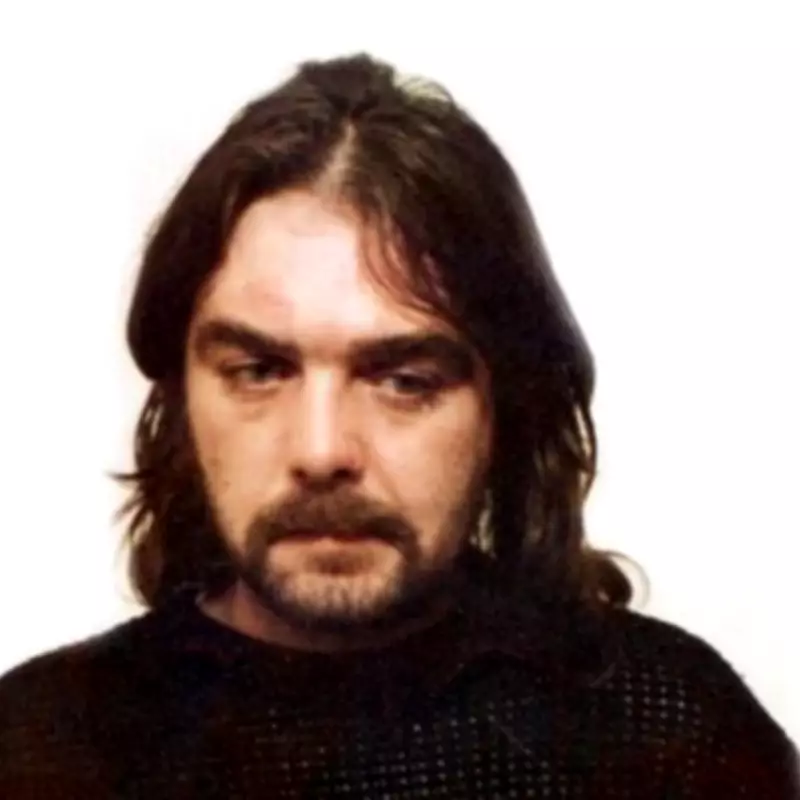
Andrew Davies, infamously dubbed the 'Coronation Street Rapist', has died in prison, with victims describing the news as a 'relief'. The 69-year-old sex offender, who also used the names Andrew Barlow and Andrew Longmire, primarily targeted women in Greater Manchester throughout the 1980s, leaving a trail of trauma that continues to affect survivors today.
A Reign of Terror Across Multiple Counties
Davies's crimes extended beyond Greater Manchester, with attacks reported in Cheshire, Staffordshire, Lancashire, and South Yorkshire. He typically preyed on women alone in their terraced homes, often waiting for husbands or fathers to leave in the morning. His brutal spree resulted in 13 life sentences, handed down for a series of rapes and other violent offences.
It is understood that Davies died from natural causes on February 28, 2026, while incarcerated at HMP Moorland, a category C prison near Doncaster. The Prison Service has confirmed that the Prisons and Probation Ombudsman will investigate his death, as is standard procedure for all deaths in custody.

Brief Release and Swift Recall
In a controversial move, Davies was released in March 2023 after serving 34 years, only to be recalled to prison just six weeks later. He was taken to a probation service hostel under police escort but was returned to custody for breaching his licence conditions and due to concerning behaviour. Authorities assessed that his risk to the public was unmanageable in the community.
Davies appealed against his recall in June 2024, but the Parole Board refused his application in July of that year. A panel concluded that he 'would present a very high risk of a contact sexual offence at this time' and posed a 'very high' risk of serious harm to others.
Victims' Emotional Responses
One victim, raped at knifepoint by Davies in her own bed in 1987, told the Manchester Evening News: 'It's a relief... but it isn't. I still relive what he did to me. It is a very difficult feeling to handle.' This sentiment echoes the complex emotions shared by many survivors and their families, who campaigned tirelessly to keep him behind bars.
A relative of another victim expressed anger over his brief release, stating: 'We told the authorities he was too high a risk and we have been proven right.' The daughter of a woman raped by Davies in the early 1980s added: 'I am just pleased he has been monitored so closely, as his behaviour, whatever it was, could have escalated.'
Political and Legal Backlash
The case drew significant political attention, with veteran Manchester MP Graham Stringer criticising the Parole Board's initial decision to release Davies. Stringer described it as 'institutional failure of the highest order' and emphasised the need to protect the public from dangerous offenders.
In January 2023, then Justice Minister and Deputy Prime Minister Dominic Raab intervened, asking the Parole Board to reconsider its decision to release Davies. Raab labelled the offences as 'despicable' and reiterated that public protection was his top priority, pledging to overhaul the parole system to keep high-risk prisoners off the streets.
Crime Details and Sentencing
Davies was originally given 11 life sentences in 1988 for raping 11 women, plus an additional 56 years for other offences. Advances in DNA technology later linked him to two more rapes from 1981 and 1982, resulting in two additional life sentences in 2010 and 2017. However, as he had already surpassed his original 20-year tariff, only two years were added to his sentence in each case.
His nickname, 'The Coronation Street Rapist', stemmed from the fact that most victims were attacked in their terraced homes in northern England, with two assaults occurring in the street. During the police hunt in the 1980s, Davies evaded capture at Leeds railway station and later shot at two officers during his arrest in Bebington, Merseyside. He was convicted of their attempted murder, though the officers were not injured.
A Prison Service spokesperson said: 'These were despicable crimes, and our thoughts remain with the victims of Andrew Davies.' The investigation into his death continues, as victims and their families grapple with the legacy of his horrific actions.