Uncovering Birmingham's Secret Historical Treasures
You might be walking through Edgbaston, Kingstanding, or Moseley without ever realizing the incredible historical events that unfolded right where you stand. Brummie historian Carl Chinn, awarded an MBE in 2001 for his services to local history and charities, has highlighted numerous locations across Birmingham where ordinary streets conceal extraordinary stories.
Ancient Sites and Royal Connections
Many residents are unaware of the King's Standing Bowl Barrow, also known as the Kingstanding Mound. This site contains buried and earthwork remains dating from the late Neolithic to the late Bronze Age. According to local tradition, it served as the location where King Charles I reviewed his troops on October 18, 1642, during the English Civil War. Both the mound and the surrounding area derive their names from this significant historical event.
Professor Chinn emphasizes that Birmingham is fortunate to possess such a rich and fascinating historical tapestry woven throughout its urban landscape.
Literary and Artistic Inspirations
Chinn points to Perrott's Folly, situated on the border between Ladywood and Edgbaston, as a structure many believe inspired J.R.R. Tolkien's Two Towers. Meanwhile, Aston Hall provided the setting for Washington Irving's Bracebridge Hall in his book Old Christmas. Irving, often called the father of American literature, wrote classics like Rip Van Winkle and The Legend of Sleepy Hollow during his time in Birmingham, a fact rarely celebrated locally.
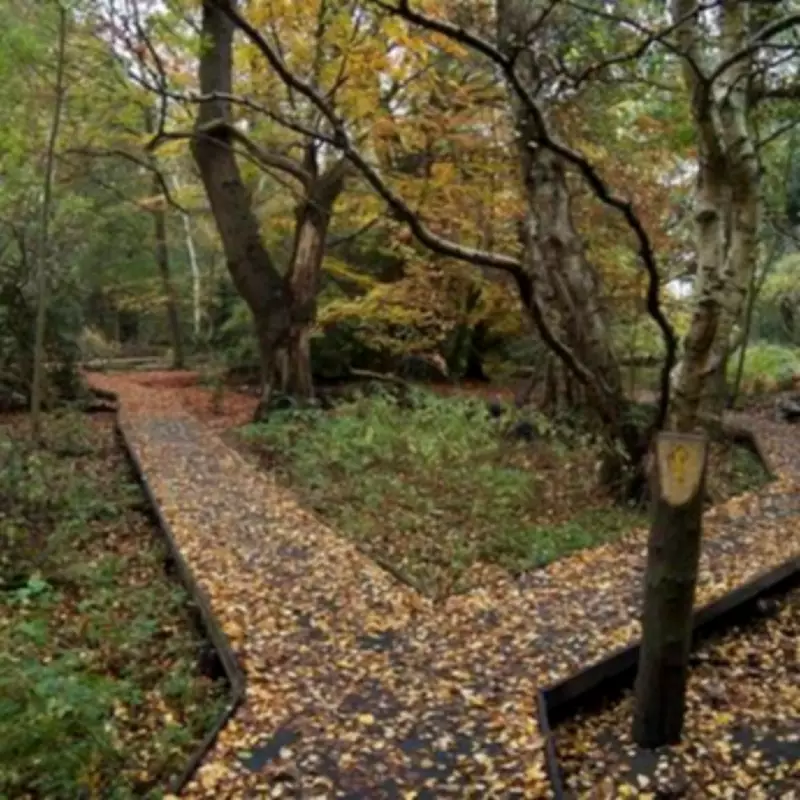
The area now known as Moseley Bog was once a childhood walking ground for Tolkien. Chinn describes it as a dell where, when the wind blows, you can hear trees creaking—an atmosphere that likely influenced the author's imaginative works.
Architectural and Cultural Landmarks
Edward Burne-Jones, celebrated as history's greatest stained-glass artist, was born on Bennetts Hill in Birmingham. His magnificent stained-glass windows can be admired at St. Philip's Cathedral, showcasing his Brummie roots and artistic legacy.
In Kingstanding, the Odeon cinema stands as a testament to Oscar Deutsch, a Birmingham-Jewish entrepreneur who founded the Odeon chain. Just up from the cinema on Kingstanding Circle lies a small mound believed to be the burial place of a Bronze Age leader, adding another layer of ancient history to the area.
Historical Origins of Modern Neighborhoods
Stirchley, now famous for its vibrant bars and restaurants, originally bore the name Strutley, meaning "the clearing on the street." Similarly, Streetly derives its name from the Roman Road, Icknield Street, highlighting how Birmingham's contemporary districts are built upon foundations of historical significance.
Professor Chinn passionately asserts that there is so much to celebrate about Birmingham's history, urging residents and visitors alike to look beyond the surface and discover the remarkable stories embedded in the city's everyday places.