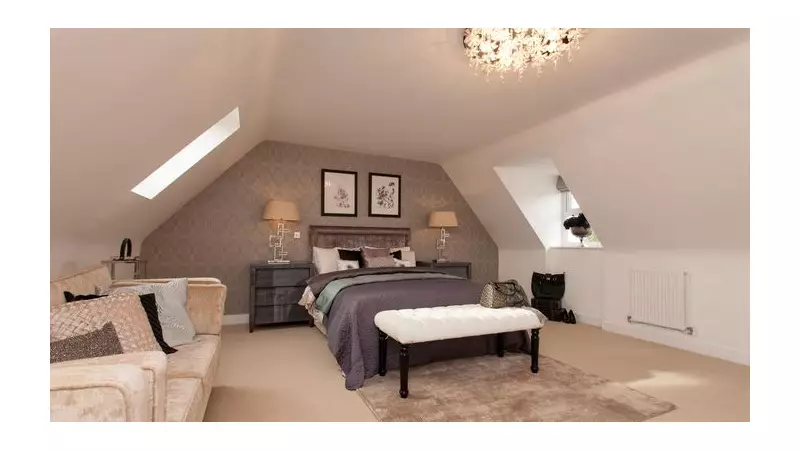
With property prices remaining high and the significant costs associated with moving home, a growing number of UK homeowners are deciding to improve their current property rather than relocate. A loft conversion has emerged as a particularly popular solution, offering a way to gain valuable extra living space without the upheaval and expense of a house move.
Expert Advice for a Smooth Project
Whether creating an additional bedroom, a dedicated home office, or a playroom, converting an unused loft can dramatically transform how a home functions. However, experts warn that meticulous planning is essential to avoid unexpected delays and spiralling costs. Costel Radescu, founder of the property renovation firm CR Group, has highlighted five critical areas homeowners must consider before any work begins.
1. Navigating Planning Permission
The very first step is determining whether formal planning permission is required. Many loft conversions fall under Permitted Development rights, meaning council approval is not needed. For example, dormer conversions are often permitted if they do not exceed the height of the existing roof or extend beyond the roof plane. Similarly, straightforward Velux or roof light conversions typically do not require permission if the roof structure remains largely unchanged.
However, planning permission is mandatory if the property is located in a conservation area, is a listed building, or is near a listed building. It is also required if the proposed conversion exceeds specific size and volume limits set for permitted development. "Your builder or architect can advise, but it’s also worth checking your local council’s planning guidance online," advises Radescu. He notes that application fees alone can range from £300 to £2,000, excluding any design or professional consultancy costs.
2. Setting a Realistic Budget and Choosing a Builder
A loft conversion represents a major financial investment, making a clear and realistic budget paramount. Costs vary widely depending on the design complexity and finish quality. Radescu suggests typical starting points are between £30,000 and £60,000 for a basic conversion, rising to £130,000 or more for a high-specification project.
Homeowners are urged to be transparent about their budget with potential builders and to obtain detailed written quotes from at least three contractors. A proper quote should include:
- A full cost breakdown.
- A projected timeline.
- Warranty information.
- Clear aftercare arrangements.
"Local recommendations are invaluable," says Radescu, adding that builders experienced with local property types can often complete work more efficiently.
3. Intelligent Design and Space Planning
Careful thought must go into how the new space will be used. Radescu stresses the importance of maximising natural light and incorporating ample built-in storage to compensate for the loss of the existing loft area. The choice between dormer windows and roof lights is a key design decision that impacts both aesthetics and functionality. Poor planning at this stage, he warns, can lead to long-term regrets.
4. Complying with Building Regulations
All loft conversions, regardless of planning permission, must comply with UK Building Regulations. These standards cover critical areas including structural integrity, fire safety, insulation, and soundproofing. Changes to staircases or creating open-plan areas elsewhere in the home may necessitate additional fire doors or other safety measures. "Understanding these requirements early can help prevent unexpected costs," Radescu emphasises, noting that a reputable builder will explain these obligations during initial consultations.
5. Understanding the Impact on Property Value
While a well-executed loft conversion typically adds value to a home, the return on investment is not guaranteed. Homeowners are advised to research the local property market, look at prices of comparable homes with loft conversions, or speak to a local estate agent. "Consider whether the cost of the conversion outweighs the increase in value," suggests Radescu. "Even if it doesn’t immediately, long-term gains are likely as property prices rise." He adds that many choose to extend because they value their location, schools, or transport links too highly to leave.
In conclusion, a loft conversion is a powerful way to maximise your home's potential. By conducting thorough research on planning rules, budget, design, regulations, and value from the outset, homeowners can significantly increase their chances of a project that stays on time, within budget, and perfectly aligned with their goals.