Households are being urged to examine their drains after experts identified them as one of the most overlooked pest hotspots in the home. Plumbing specialists warn that a buildup of grease, food residue, and organic matter inside pipes creates an ideal breeding ground for drain flies, particularly during warm weather. Acting early with a low-cost solution can prevent infestations before they begin.
Why drains attract flies
Ryan McNicholl of Spares Direct explained that many homeowners only realize there is an issue once insects become visible. "You could have a perfectly clean kitchen, but inside the drain there can still be a layer of organic buildup that attracts flies," he said. "The moisture, warmth, and trapped residue inside pipes create exactly the type of environment they look for, especially during the warmer months." Drain flies, also known as moth flies, thrive in shallow, stagnant water rich in organic debris. Bathroom and kitchen drains provide constant moisture and a steady supply of nutrients from soap scum, hair, and food particles.
The 5p solution already in your cupboard
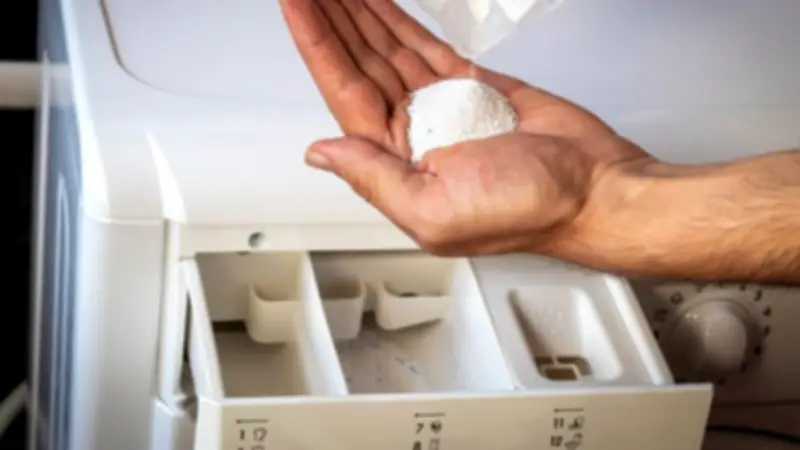
Experts recommend a simple treatment using biological washing powder, which contains enzymes designed to break down organic materials similar to those found in drain buildup. A small amount mixed with warm water can cost as little as 5p per treatment, far cheaper than specialty cleaning products. "Biological washing powder contains enzymes that are designed to break down organic materials, which is the same type of residue that can build up inside drains," McNicholl said. "Using a small amount with warm water can help loosen some of that grime and keep drains clean, helping to remove some of the buildup that attracts drain flies." A standard wash using biological powder costs between 10p and 15p, but a smaller amount for drain maintenance brings the cost down to just a few pence.
Avoid common drain-cleaning mistakes
McNicholl warned against popular but risky methods. "Boiling water might seem like the obvious solution, but it's not always the safest option for your plumbing," he said. "Many modern homes use plastic pipework and fittings, which aren't designed to repeatedly deal with sudden extreme temperatures. Over time, excessive heat can put extra stress on seals and joints, potentially contributing to leaks or damage." Strong chemical cleaners can also harm pipes and the environment. Instead, the biological powder method is both safe and effective.
Consistency is key
Regular maintenance prevents problems from developing. "The key is being consistent with it," McNicholl added. "Waiting until you've already got flies appearing around your sink means the buildup has likely been there for some time." A weekly treatment with biological washing powder can keep drains clear and odor-free. Homeowners should also remove visible debris from sink strainers and clean overflows to reduce organic matter. For persistent infestations, professional drain cleaning may be necessary.
Additional household tips
Beyond drains, other areas of the home benefit from simple, inexpensive cleaning methods. For example, a mixture of vinegar and baking soda can tackle musty sink smells, while biological powder can also be used to clean garbage disposals and washing machine drains. Keeping drains free of organic residue not only prevents pests but also reduces unpleasant odors and improves overall hygiene.