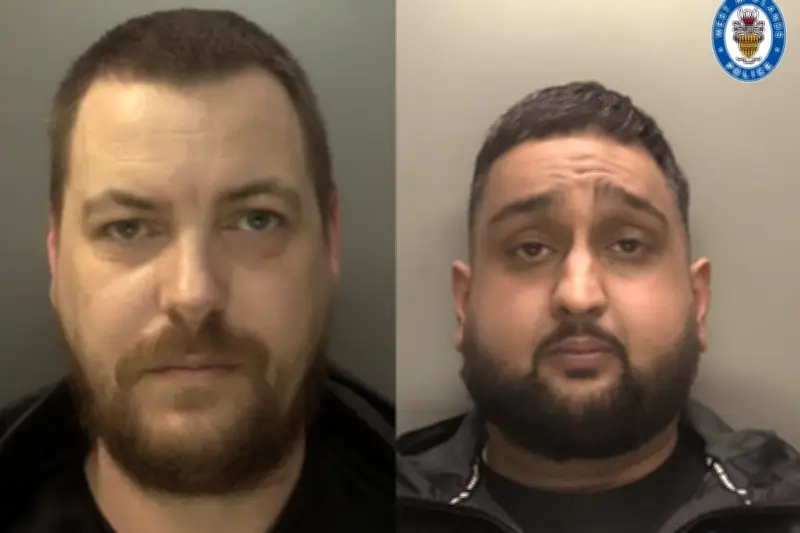
Two Birmingham men have been convicted for drug trafficking after police uncovered evidence that they used an artificial intelligence chatbot to seek advice on growing cannabis. The case highlights how digital footprints can lead to criminal convictions, even when suspects turn to AI for guidance.
The Investigation and Discovery
West Midlands Police raided a property in the Handsworth area in March 2024 following a tip-off. Officers discovered a sophisticated cannabis farm with over 200 plants spread across three rooms, complete with lighting, ventilation, and irrigation systems. The estimated street value of the crop was around £250,000.
During the search, detectives seized mobile phones belonging to the two suspects. Forensic analysis revealed that the men had used an AI chatbot—believed to be ChatGPT—to ask detailed questions about cannabis cultivation techniques, including optimal lighting schedules and nutrient mixtures.
According to Detective Constable Sarah Jenkins, who led the investigation, “This is the first time we have encountered suspects using AI to assist in drug production. It shows that criminals will exploit any technology, but it also leaves a trail that we can follow.” The police were able to link the AI queries to the suspects’ IP addresses and device IDs, providing crucial evidence for the case.
The Court Proceedings
The two defendants, both in their late 20s, appeared at Birmingham Crown Court on 2 December 2024. They pleaded guilty to conspiracy to produce cannabis and possession with intent to supply. The court heard that the men had been running the operation for approximately six months and had already sold several batches of cannabis before the raid.
Judge Richard Pearce sentenced the pair to four years and three months in prison each. In his remarks, he stated, “These were not unsophisticated amateur growers. They researched methods using AI, which demonstrates a level of premeditation and technical knowledge. The sentences reflect the seriousness of the crime and the potential harm caused to the community.”
Role of AI in the Crime
The defendants’ queries to the AI included requests for advice on maximizing yield in a small space and how to conceal odors from neighbors. The chatbot provided detailed, step-by-step instructions that the men later implemented. However, the digital record of these interactions became a key piece of evidence.
Cybersecurity expert Dr. Amara Singh from the University of Birmingham commented, “AI systems are designed to assist with legitimate tasks, but they can be misused. However, they also create a log of user activity that can be subpoenaed for criminal investigations. This case serves as a warning that digital tools are not anonymous.”
West Midlands Police have since warned that similar cases could emerge as AI becomes more accessible. They urged the public to report suspicious activity and reminded potential offenders that technology can be used both for and against them.
The conviction has also sparked debate about the responsibilities of AI companies. While there is no suggestion that the chatbot provider acted improperly, the incident highlights the need for safeguards against malicious use. The Crown Prosecution Service (CPS) confirmed that no charges were brought against the AI company, as it complied fully with the investigation.
Community Impact and Police Warning
Local residents in Handsworth expressed relief at the conviction. One neighbor, who wished to remain anonymous, said, “We smelled something strange for months but didn’t know what it was. It’s scary to think they were using AI to grow drugs right under our noses.”
Police have reiterated that cannabis farms pose serious fire risks due to illegal electrical wiring and can attract violent crime. They encourage anyone with information about drug operations to contact Crimestoppers anonymously.
This case is one of the first in the UK where AI interaction has been used as evidence in a drug trial. Legal experts suggest it may set a precedent for how digital forensic evidence is treated in future cases.
Both men will serve their sentences at Her Majesty’s Prison Birmingham. Their assets, including cash and vehicles seized during the raid, are subject to confiscation proceedings under the Proceeds of Crime Act.