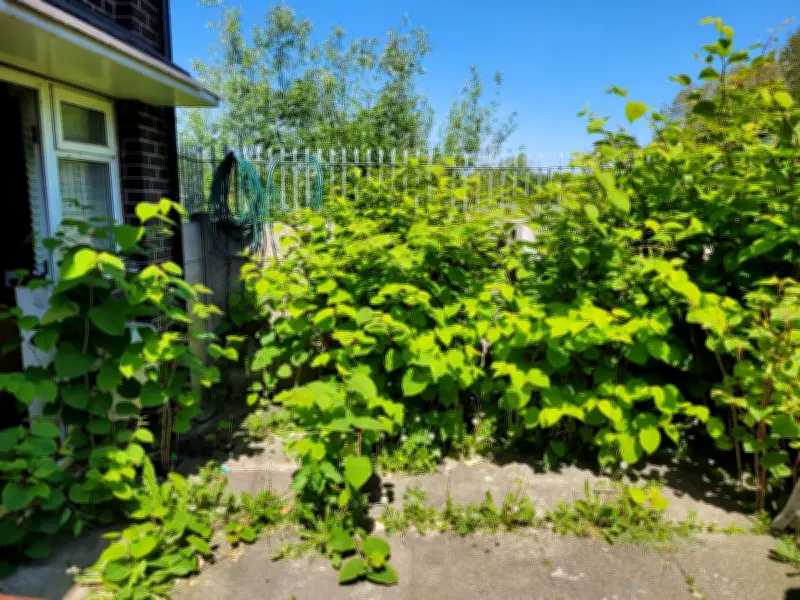
Birmingham has been named the West Midlands' worst Japanese knotweed hotspot, with hundreds of sightings of the invasive plant recorded across the city. New figures from plant specialists Environet revealed there were 320 verified sightings of the fast-growing plant in Birmingham this year - the region's highest.
Regional hotspots
The city topped a list of the West Midlands' biggest hotspots for 2026, ahead of Walsall with 74 sightings, Solihull with 60 and Wolverhampton with 54. Across the county, there were 693 confirmed sightings or the equivalent of 2.23 incidents in every square mile - making it the 13th worst-affected area in England.
Impact on homeowners
Japanese knotweed may look harmless, but it can cause major headaches for homeowners - from damaging buildings to reducing property values and even sparking legal disputes if it spreads into neighbouring gardens. Its underground root system, known as rhizomes, can spread up to seven metres and even tiny fragments can grow into new plants.
Tracking the spread
The new findings come from Environet’s live online tracker, Exposed: The Japanese Knotweed Heatmap, which uses verified reports from homeowners, public sources and the company’s own enquiries. The map allows people to enter their postcode and check for known sightings within a five-mile radius, with the worst affected areas highlighted in red.
Financial impact
Research by Environet suggests the invasive plant is now affecting more than 1.58 million UK homes, with properties typically losing around five per cent of their value - an average drop of £13,500.
Top 10 West Midlands hotspots
- Birmingham - 320 sightings
- Walsall - 74 sightings
- Solihull - 60 sightings
- Wolverhampton - 54 sightings
- Dudley - 53 sightings
- Halesowen - 40 sightings
- Oldbury - 27 sightings
- West Bromwich - 19 sightings
- Smethwick - 15 sightings
- Tipton - 11 sightings
Expert advice
Environet director Emily Grant said homeowners should keep an eye out for the plant during the summer months. "Japanese knotweed is now firmly established right across the country which means homeowners everywhere should know what to look for," she said. "My advice to anyone living or buying a home in a Japanese knotweed hotspot is to check your garden regularly during the growing season. At this time of year, an established knotweed plant can be identified quite easily by its hard bamboo-like canes and distinctive bright green shield-shaped leaves which grow in a zig-zag pattern along the stem. The earlier it’s spotted, the easier and cheaper it is to deal with. Acting quickly with professional advice will prevent it spreading further and help protect both your property and its value."