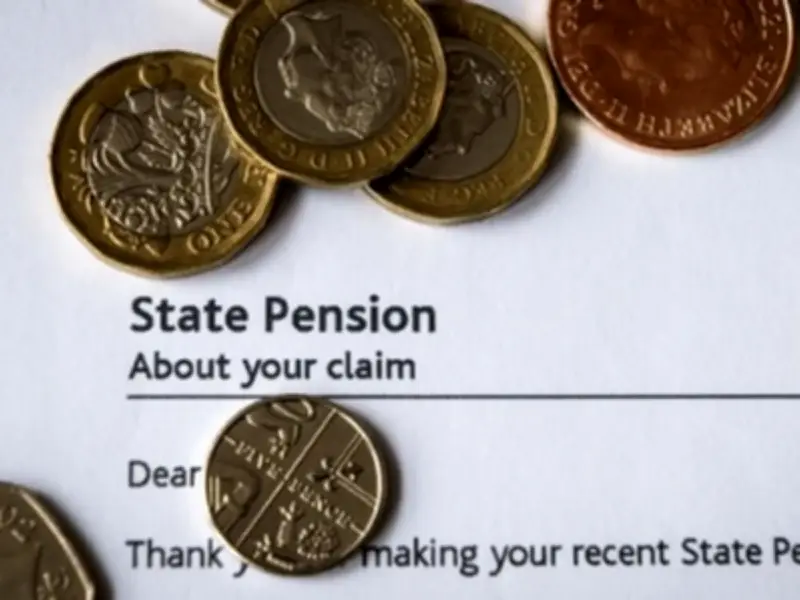
The Department for Work and Pensions is being urged to ensure that all 13 million state pension recipients are treated equally following an announcement by Prime Minister Andy Burnham that state pensions will not be taxed next year. The Labour Party leader and Chancellor John Healey have confirmed that the state pension will be exempt from income tax, a move designed to prevent pensioners from being dragged into paying tax due to the Triple Lock policy.
Tax exemption details and Triple Lock impact
The Triple Lock guarantees that the state pension increases each year by the highest of inflation, average earnings growth, or a minimum of 2.5 percent. With the minimum increase of 2.5 percent, the full state pension would exceed the £12,570 personal tax-free allowance, normally bringing recipients into the scope of HMRC tax. The government's decision exempts the state pension from this tax, but only for those who rely solely on it.
However, Morgan Vine, Director of Policy and Influencing at Independent Age, highlighted concerns. "Recommitting to exempting the State Pension from income tax is a welcome signal that the new Prime Minister is listening to the concerns of older people on low incomes," she said. "However, questions remain about how the policy will be implemented across a complex pensions system where one solution does not fit all."
Warnings for pensioners with secondary income
The exemption applies strictly to the state pension. Pensioners who have additional income from private pensions, part-time work, or investments may still be liable for tax. Vine warned: "Different versions of the State Pension mean some older people receiving a lower State Pension and a small private pension would be dragged into the tax system, while others receiving only the State Pension will be exempt, despite the amount they receive being largely the same. Clearly, this is a situation that needs to be addressed so no older person on a low income loses out."
Independent Age, a charity supporting older people in poverty, hears daily from pensioners struggling to make ends meet. "Every day we hear from older people with chronic money worries who are making difficult decisions to make ends meet, from rationing their energy and water use to skipping meals," Vine added. "We look forward to receiving clarity from the UK Government on how the State Pension tax exemption will work to protect all pensioners on low incomes."
Calls for equal treatment across all pensioners
The charity's call for equal treatment puts pressure on the DWP to ensure that the policy does not create a two-tier system. With 13 million state pension recipients, many rely on small additional incomes to cover basic costs. The government's promise, while welcome for some, leaves others vulnerable to tax bills that could undermine their financial security.
The Prime Minister and Chancellor have not yet detailed how the exemption will be implemented for those with mixed incomes. Critics argue that a blanket exemption for all state pension income, regardless of other earnings, would simplify the system and ensure fairness. As the policy moves toward implementation, pensioner advocacy groups are demanding that the DWP issue clear guidance to prevent any pensioner on low income from slipping through the cracks.