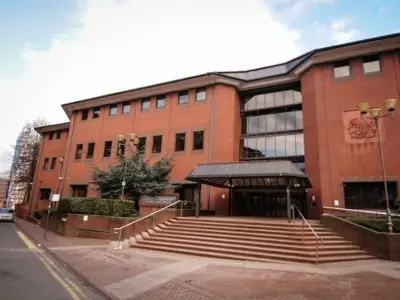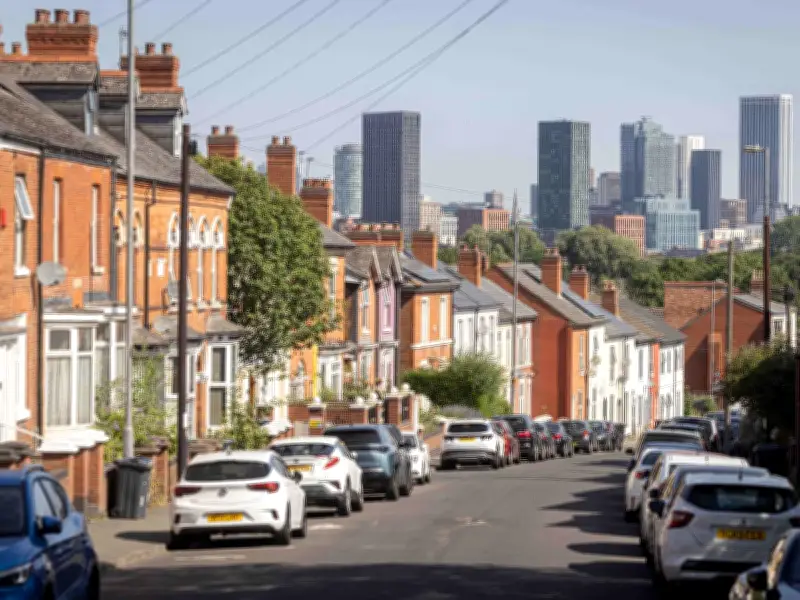
A new investigation by BirminghamLive reveals that parts of Birmingham are being overwhelmed by supported 'exempt' hostels, drastically altering neighbourhoods and pushing out families. In some inner-city streets, nearly every house has been converted into multi-occupied properties, often housing up to six strangers with complex needs who are placed together with little choice.
Tripling Numbers Since Pre-Covid
Data from Birmingham City Council shows the number of exempt properties and claimants has tripled since just before the COVID-19 pandemic. There are now 33,904 people living in 12,166 properties, all funded by enhanced housing benefits of between £200 and £400 per room per week, paid directly to providers. In 2018, there were fewer than 11,000 people and around 4,000 properties, which was sufficient to meet local need.
Many current residents have been encouraged to move to Birmingham from other parts of the UK through referrals or enticing advertisements, helping providers fill vacancies. Despite repeated campaigns and lobbying by resident groups calling for a crackdown, little has changed in eight years, with providers continuing to receive approval for new claims due to a lack of effective blocking mechanisms.
Links to Crime and Anti-Social Behaviour
Police chiefs and MPs have linked the rising number of properties to criminality, anti-social behaviour, and violence, claiming strong connections to organised crime in some areas. The new figures show that wards such as North Edgbaston, Sparkbrook and Balsall Heath East, Stockland Green, Aston, Soho and Jewellery Quarter, and Sparkhill all have more than 450 exempt properties and at least 1,000 residents. A further batch of wards have at least 300 exempt properties, including Gravelly Hill, Alum Rock, Birchfield, Bordesley Green, Erdington, Bordesley and Highgate, and Handsworth.
No ward in the city is immune, though the number of properties drops sharply in wealthier areas where housing is more expensive. Six out of seven wards in Sutton Coldfield have fewer than 20 properties each; Sutton Mere Green has just one, and neighbouring Sutton Four Oaks has nine.
Mixed Impact of Exempt Accommodation
When well-run with proper support, these properties can be a lifeline for young people leaving care, family breakdowns, victims of abuse, those with mental health issues, and recovering addicts. However, the sector is often plagued by poor vetting, bullying, internal conflicts, lack of support, and multiple safeguarding failures. Five out of six of the largest providers in Birmingham fail to meet compliance guidelines set by the Regulator of Social Housing.
Council Response and Calls for Reform
Birmingham City Council says its efforts to limit expansion are hindered by a lack of regulations and powers. A council-led multi-agency team investigates concerns, carries out inspections, tackles anti-social behaviour and crime, improves property standards, and rejects claims that do not evidence support and supervision. The council also operates a voluntary accreditation scheme for providers.
At a full council meeting earlier this month, there was cross-party agreement to press the Government to accelerate planned new powers and go further to ensure every property is licensed and meets planning requirements. The council is also conducting an internal probe into its handling of claims.