Concerns have been raised over the flood risk of building new homes on the green belt in Solihull, as the borough faces a government target to construct 8,500 new homes by 2029. Solihull councillors have regularly voiced worries about how the region will cope with extreme rainfall due to climate change and what impacts building on the green belt could have.
Council scrutiny of flooding plans
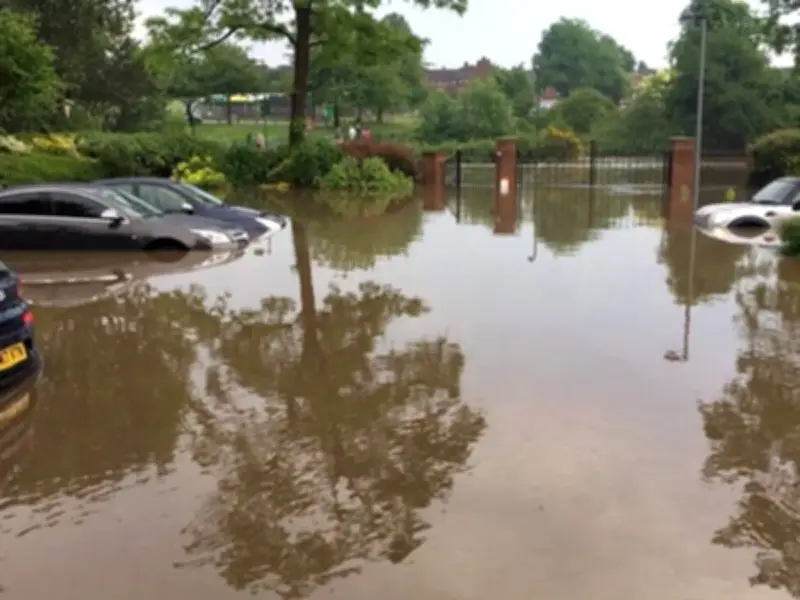
At the latest meeting of the stronger communities and neighbourhood services scrutiny board, the council's plans for dealing with flooding incidents came under the spotlight. The borough saw major flooding in 2018 and 2022, with more than 900 properties affected. There are also concerns over roads in rural areas flooding, leading to entire communities being blocked off.
Officer Dean Ward, the authority’s head of highway infrastructure, told councillors: “A lot of work has been done and a number of residents, over 400 now, have been provided with property resilience measures to support them.”
Country lanes prone to flooding
Councillor Keith Green raised that the council has a statutory duty to ensure new developments “do not increase local flood risk”. “I think we are all aware that the potential development sites are in rural wards, at the moment surrounded by country lanes prone to flooding off the fields,” the councillor said. “I’m also aware you can’t use developers' money to solve this problem, it has to come through other financing. I have a huge concern. I can’t see how you are going to fix it, 1,000 or so houses out in country lanes. How are we going to address this potential problem?”
The officer replied: “When it comes to new developments we need to make sure it doesn’t make anything off site worse. What that effectively means, any water that lands on a new site they have to capture it, control it and not let it leave that site at any rate greater than what it currently runs off. What we are hopeful will happen through the introduction of sustainable drainage measures is incremental betterment.”
In a follow up question, Coun Green asked: “A lot of these rural areas the villages are one road in, one road out. Because of extra flooding risk we struggle to cope with our normal daily lives if that one road is affected. It’s compounded with the expectations of what the future might hold. We can’t afford roads to be closed for any length of time.”
The officer replied: “I would agree. We will always open flooded roads as quickly as possible but there is a public safety risk - we don’t want people driving through flood water.”
Grey area over private roads
Councillor Paul Goldingay asked who was responsible for drainage maintenance in private roads. “It is a bit of a grey area,” the officer replied. “We are responsible for maintenance of assets within the adopted highway. Anything not is the responsibility of that specific landowner.”
Coun Goldingay then asked: “You mention (new) developments - lets say you have got a private road, is each resident responsible?” The officer replied: “What’s usually the case, the developer will set up a maintenance company - (residents) effectively pay rent into a maintenance company responsible for undertaking that maintenance.”
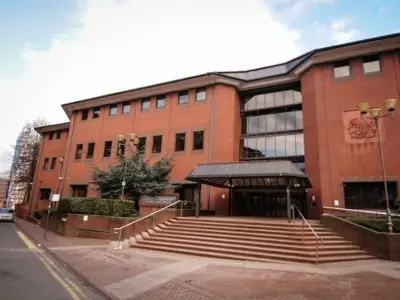
The meeting was held at the Civic Suite on July 27.