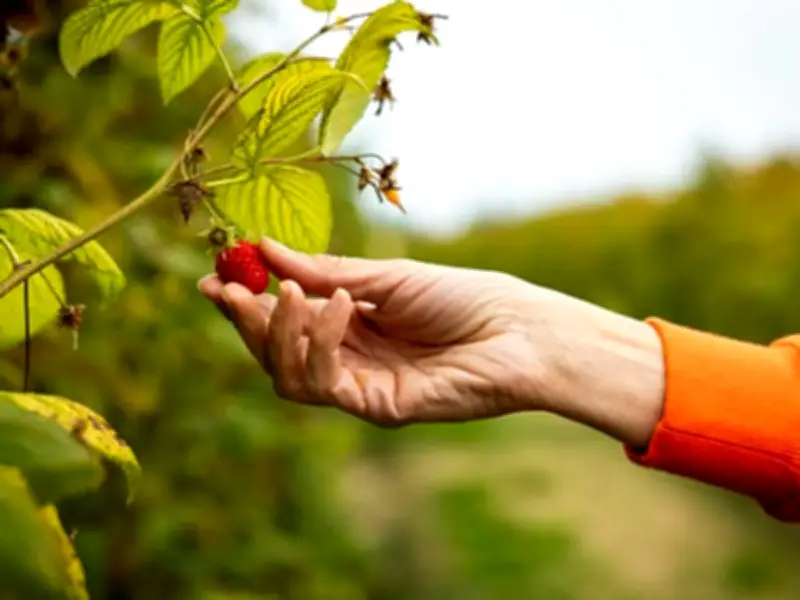
Households picking fruit from a neighbour's tree without permission risk a fixed penalty of £100 to £300, as the law confirms that even fallen fruit remains the property of the tree owner. Dean Meadows from Arbtech explained: "It might sound silly, but most people don't realise that eating a fallen apple from a neighbour's tree could actually be considered theft."
What the law says about overhanging fruit
Under UK law, fruit growing on branches that overhang into your garden still belongs to the person who owns the tree. Taking it without permission, even if it has fallen naturally, can be classed as theft. Meadows advised: "In most cases, neighbours wouldn't mind at all, but it's always good to have a friendly chat to see if they are okay with it before taking any windfall for yourself."
Householders are within their rights to prune overhanging branches back to their property boundary. However, anything cut, including fruit, must be offered back to the neighbour. Meadows added: "As for overhanging branches, you're well within your right to prune branches back to your property boundary, but remember that anything you cut - including fruit - should be offered back to your neighbour as well."
Exceptions and risks of falling fruit
One common exception exists: if fruit falls from a tree in a public space or on common land, it is generally acceptable to take it under foraging rules. If fruit drops into your garden, the simplest solution is to let the neighbour collect it, or gather it up and offer it back to them yourself.
Hibberts Solicitors warns that throwing the fruit straight back over the fence without agreement could be treated as fly-tipping. This may result in fines and further legal hassle if a neighbour decides to pursue it. If the neighbour refuses to collect fallen fruit and it begins rotting, creating a slip hazard or attracting pests, the situation can cross into "legal nuisance" territory.
Legal nuisance and local authority action
Under the Environmental Protection Act (1990), a local authority can issue an Abatement Notice to the tree owner. This typically applies where rotting material is drawing vermin or causing an offensive, unhygienic odour. The £100 to £300 fixed penalty range applies to those caught picking fruit without permission, as some have warned.