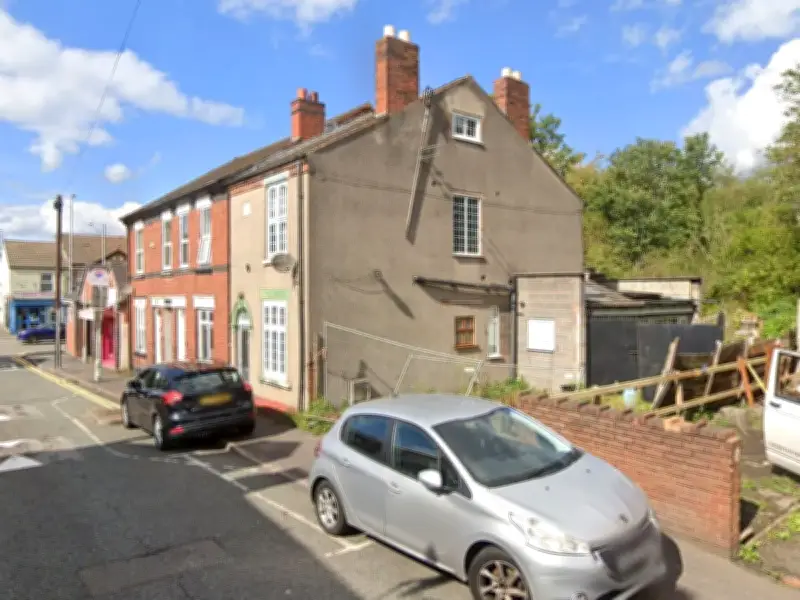
A government planning inspector has dismissed an appeal that would have allowed a home in Wolverhampton to be converted into a six-bed house of multiple occupation (HMO), upholding the council's original rejection.
City of Wolverhampton Council had refused planning permission for the conversion of a property in Woden Road, citing concerns that the development would be cramped and would exacerbate problems in the Heath Town area. The developer, Dean Investment Properties, subsequently lodged an appeal with the government's planning inspectorate, which had the power to overrule the council's decision.
However, the planning inspector sided with the council, ruling that most of the proposed bedrooms would be too small and uncomfortable for future tenants. The inspector's report stated that four of the six bedrooms would be "notably small" and would offer "very limited space for furniture, storage, and circulation," leading to a cramped and uncomfortable living environment.
Inspector Finds Rooms Too Small
The inspector's report elaborated on the inadequacy of the rooms, noting that the limited space would restrict the ability of future occupiers to use their rooms in a functional and dignified manner. The report also criticised the proposed communal area, describing it as a small ground floor space positioned between the front and rear bedrooms, which would also serve as the primary route through the house, providing access to a bedroom, the rear kitchen, and the stairs.
Although the plans indicated the space would accommodate a sofa and a table, the inspector determined that its dual role as a thoroughfare and its limited size made it appear cramped and impractical. Consequently, it would be unlikely to function as a genuinely usable or comfortable communal area for up to six occupants.
The planning application had sought permission to demolish a side extension, build a new rear extension, and convert the home's loft to accommodate the six-room HMO.
Council and Police Concerns
The council had originally rejected the plans in early 2026, stating that the wider area already had high levels of crime. The council feared that the HMO would likely lead to further crime and disorder, add to the fear of crime, and undermine community cohesion.
West Midlands Police also objected to the proposal, warning that another HMO in Woden Road could turn the "stable, family-oriented street" into a "more transient, high-turnover environment." The force argued this could create a harmful cumulative impact, degrade residential amenity, increase crime and safety risks, and place unjustified pressure on the local area.
The force's design out crime officer noted that vulnerable people, including those with mental health issues, learning difficulties, and ex-offenders, were often housed in similar types of HMOs. The officer said such properties "may not provide a safe environment for some elements of society" due to shared communal facilities and a lack of private space for tenants.
Appeal Dismissed
Despite the police and council objections, the planning inspector did not uphold all of their concerns. The inspector agreed with the council that the HMO was too small and lacked proper communal areas, but dismissed fears over a rise in crime as "generic" and not properly evidenced.
The appeal was ultimately thrown out, meaning the home in Woden Road will not be converted into a six-bed HMO. The decision upholds the council's original rejection and maintains the status quo for the property and the surrounding area.